This is an old revision of the document!
FLUX.2
a disciplined artificer who refuses to add a single tool to the table unless you explicitly place it there
General
When asked for realism or cinematic quality, the model sacrifices composition width to maximize perceived fidelity.
Atlas
Core
| Null | Guided |
|---|---|
 |  |
Styles
| Fantasy | Cinematographic | Hyper Realistic | Sylized Illustration |
|---|---|---|---|
 |  |  |  |
| Painterly | Bright Whimsical | Graphic / Design | Technical / Scan-like |
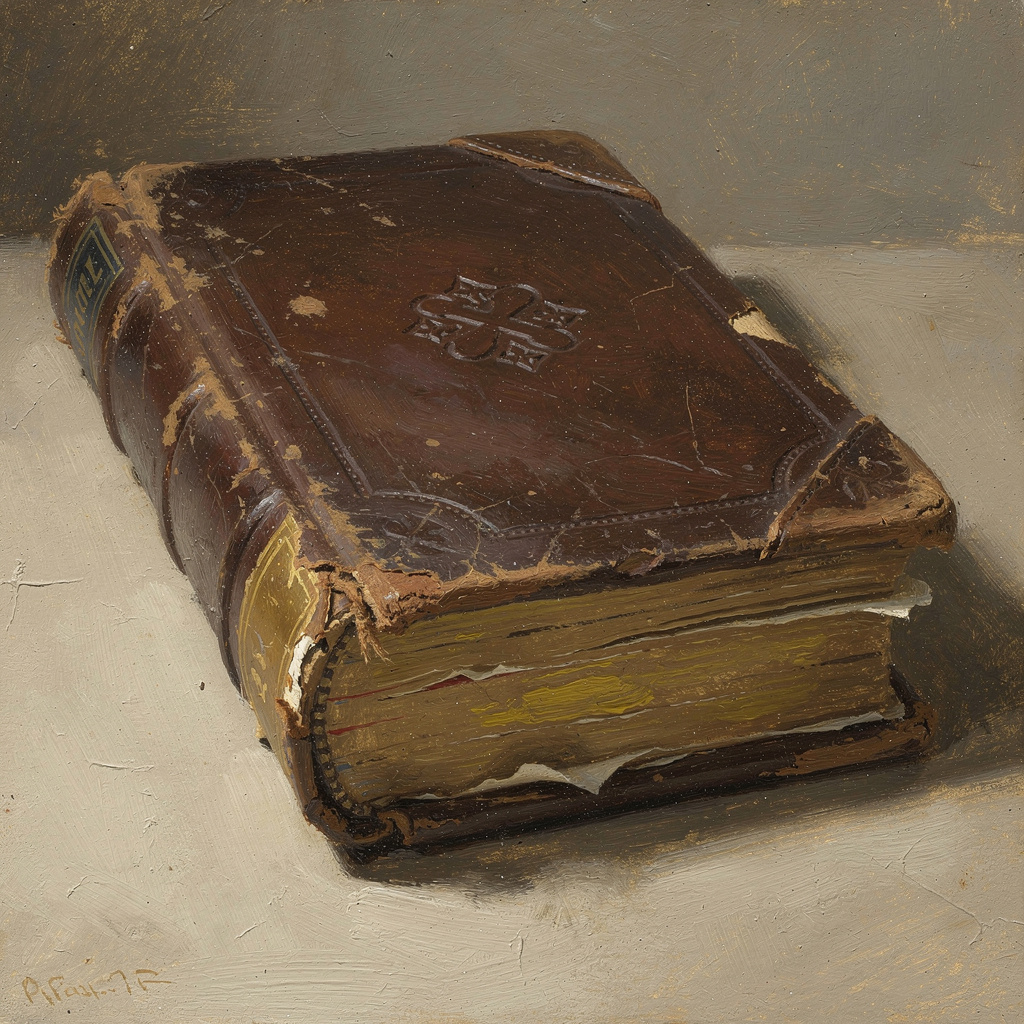 |  | 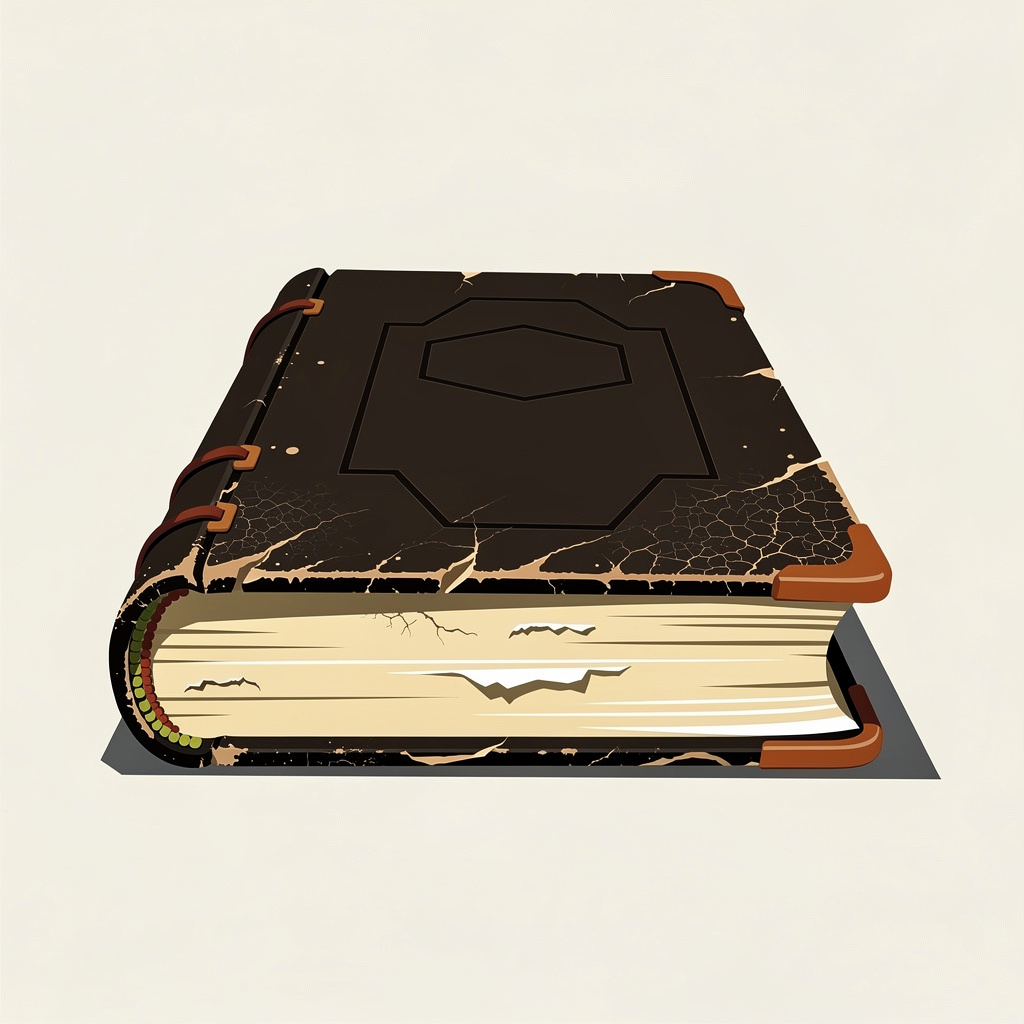 | 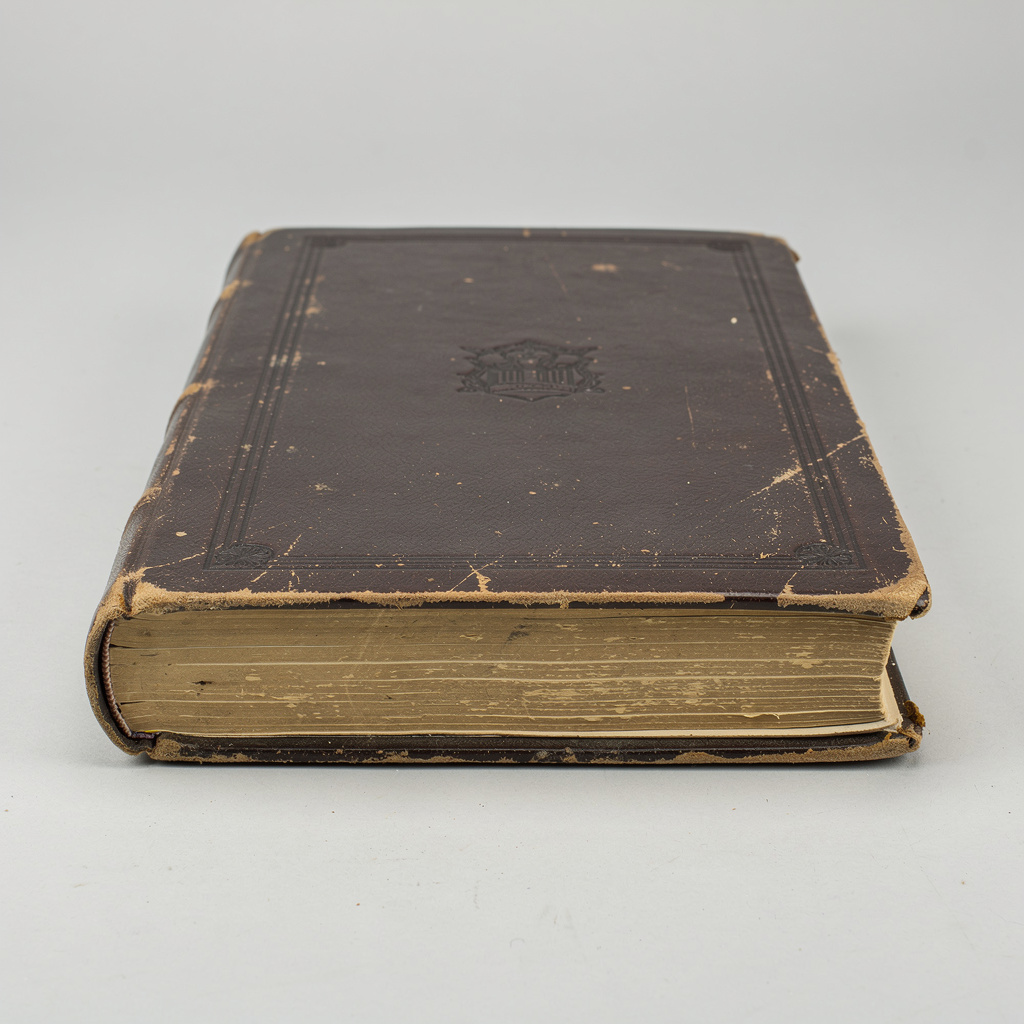 |
Light
| Soft Natural | High Contrast | Volumetric Fog | Neon |
|---|---|---|---|
 |  |  |  |
| Low key / dark / Moody | Overexposed / bright | Directional Spotlight | Warm & Cool |
 |  |  |  |
Environment Complexity
| Structured | Multi-Ojbect | Dense Environment | Controlled Clutter |
|---|---|---|---|
 |  |  |  |
| Chaotic | Chaos Control | ||
 |  |
Batches were run in march 2026.
Main DNA Traits
🧬 Instructional Rigidity
The model adheres strictly to prompt content and avoids extrapolating beyond what is explicitly described.
It does not “complete the scene”, it executes the instruction literally
🧬 Subject Isolation
The primary object remains dominant, centered, and visually protected under all conditions, with minimal environmental interference.
🧬 Anti-Entropy Bias
The model resists disorder and reorganizes or suppresses chaos to preserve clarity and readability.
Strengths
- perfect for:
- controlled reference generation
- clean asset extraction
- technical visualization
- you always get:
- clear subject separation
- predictable framing
- stable structure
Atlas
Styles
Light
Environment Complexity
Batches were run in march 2026.
Expanded DNA
🔹 1. Strict Prompt Fidelity (Literal Execution Engine)
The model executes instructions without semantic expansion or interpretation.
Evidence:
- no environment added unless explicitly requested
- no narrative elements introduced
- lighting changes do not create context
👉 The model behaves like a compiler, not a storyteller
Why it matters:
- Pros: extreme control and predictability
- Cons: requires very explicit prompting for richness
🔹 2. Environment Suppression
The model actively avoids introducing scene context unless explicitly defined.
Evidence:
- neutral backgrounds across most generations
- lighting does not imply location
- structured prompts with vague environment hints are ignored
👉 “environment” must be spelled out, not implied
🔹 3. Absolute Subject Anchoring
The primary object is never lost, degraded, or visually dominated.
Evidence:
- book remains:
- centered
- fully visible
- clearly readable
- even in chaos → still dominant
👉 This is stronger than most models: subject ≠ negotiable
🔹 4. Chaos Sanitization
The model resists true disorder and restructures chaotic prompts into controlled compositions.
Evidence:
- chaotic prompts → still organized layouts
- clutter remains visually readable
- no true fragmentation or collapse
👉 It does not generate chaos, it simulates it safely
🔹 5. Lighting as Local Effect
Lighting affects surfaces but does not redefine the scene.
Evidence:
- neon → color applied, but no environment shift
- fog → subtle, no atmospheric storytelling
- high contrast → contained to object and immediate plane
👉 Lighting = rendering parameter, not narrative driver
🔹 6. Low Semantic Expansion Pressure
The model does not infer or extend beyond the prompt’s explicit meaning.
Evidence:
- no added props
- no implied setting
- no stylistic drift beyond keywords
👉 It waits for instruction instead of anticipating intent
🔹 7. Composition Stability
Framing remains consistent and controlled across all variations.
Evidence:
- centered compositions persist
- margins respected
- no aggressive cropping or reframing
👉 The model prefers safe, readable framing over expressive composition
🔹 8. Deterministic Behavior
Outputs remain consistent across runs with minimal variation drift.
Evidence:
- similar structure across batches
- stable lighting interpretation
- predictable responses to prompts
👉 This is a “production-safe” model, not an exploratory one
Prompts
🧙 Fantasy
an old worn book with a thick leather cover, slightly weathered edges and visible page layers, simple embossed details on the cover, resting on a flat surface, closed, low angle shot, realistic materials, fantasy aesthetic, subtle magical atmosphere, faint arcane motifs, soft ambient glow, grounded realism
🎬 Cinematographic
an old worn book with a thick leather cover, slightly weathered edges and visible page layers, simple embossed details on the cover, resting on a flat surface, closed, low angle shot, realistic materials, cinematographic, film still, shallow depth of field, natural color grading, soft directional light
🔍 Hyper-realistic
an old worn book with a thick leather cover, slightly weathered edges and visible page layers, simple embossed details on the cover, resting on a flat surface, closed, low angle shot, realistic materials, hyper-realistic, ultra detailed textures, physically accurate materials, high fidelity surface detail, neutral lighting
✏️ Stylized Illustration
an old worn book with a thick leather cover, slightly weathered edges and visible page layers, simple embossed details on the cover, resting on a flat surface, closed, low angle shot, stylized illustration, clean shapes, simplified forms, controlled shading, crisp edges
🎨 Painterly / Fine Art
an old worn book with a thick leather cover, slightly weathered edges and visible page layers, simple embossed details on the cover, resting on a flat surface, closed, low angle shot, painterly, fine art style, visible brush strokes, rich texture, expressive lighting, canvas-like rendering
🌈 Bright Whimsical
an old worn book with a thick leather cover, slightly weathered edges and visible page layers, simple embossed details on the cover, resting on a flat surface, closed, low angle shot, bright whimsical style, vibrant colors, soft rounded forms, playful atmosphere, light and airy mood
🧩 Graphic / Design
an old worn book with a thick leather cover, slightly weathered edges and visible page layers, simple embossed details on the cover, resting on a flat surface, closed, low angle shot, graphic design style, bold shapes, flat colors, high contrast, minimal shading, poster-like composition
🧪 Technical / Scan-like
an old worn book with a thick leather cover, slightly weathered edges and visible page layers, simple embossed details on the cover, resting on a flat surface, closed, low angle shot, realistic materials, technical scan-like, flat even lighting, orthographic feel, high clarity, documentation style, minimal artistic interpretation
🌤 Soft Natural (Baseline)
an old worn book with a thick leather cover, slightly weathered edges and visible page layers, simple embossed details on the cover, resting on a flat surface, closed, low angle shot, fully visible, centered in frame, slight margin around the object, realistic materials, cinematographic, soft natural light, diffuse illumination, balanced exposure
⚡ High Contrast
an old worn book with a thick leather cover, slightly weathered edges and visible page layers, simple embossed details on the cover, resting on a flat surface, closed, low angle shot, fully visible, centered in frame, slight margin around the object, realistic materials, cinematographic, high contrast lighting, strong shadows, sharp light falloff, dramatic highlights
🌫 Volumetric Fog
an old worn book with a thick leather cover, slightly weathered edges and visible page layers, simple embossed details on the cover, resting on a flat surface, closed, low angle shot, fully visible, centered in frame, slight margin around the object, realistic materials, cinematographic, volumetric fog, light rays, atmospheric haze, soft scattering
🌈 Neon / Emissive
an old worn book with a thick leather cover, slightly weathered edges and visible page layers, simple embossed details on the cover, resting on a flat surface, closed, low angle shot, fully visible, centered in frame, slight margin around the object, realistic materials, cinematographic, neon lighting, emissive glow, colored light sources, strong color contrast
🌑 Dark Moody (Low Key)
an old worn book with a thick leather cover, slightly weathered edges and visible page layers, simple embossed details on the cover, resting on a flat surface, closed, low angle shot, fully visible, centered in frame, slight margin around the object, realistic materials, cinematographic, low key lighting, dark moody atmosphere, minimal light, deep shadows
☀️ Overexposed Bright
an old worn book with a thick leather cover, slightly weathered edges and visible page layers, simple embossed details on the cover, resting on a flat surface, closed, low angle shot, fully visible, centered in frame, slight margin around the object, realistic materials, cinematographic, overexposed lighting, bright high key, blown highlights, washed light
🔦 Directional Spotlight
an old worn book with a thick leather cover, slightly weathered edges and visible page layers, simple embossed details on the cover, resting on a flat surface, closed, low angle shot, fully visible, centered in frame, slight margin around the object, realistic materials, cinematographic, single directional spotlight, focused beam, strong falloff, isolated illumination
👉 Tests: subject isolation, shadow sharpness, light discipline
🌇 Warm vs Cool Split Lighting
an old worn book with a thick leather cover, slightly weathered edges and visible page layers, simple embossed details on the cover, resting on a flat surface, closed, low angle shot, fully visible, centered in frame, slight margin around the object, realistic materials, cinematographic, mixed lighting, warm and cool light sources, color contrast lighting
👉 Tests: color management, material response under mixed spectra
🧩 Structured
an old worn book with a thick leather cover, slightly weathered edges and visible page layers, simple embossed details on the cover, resting on a flat surface, closed, low angle shot, fully visible, centered in frame, slight margin around the object, realistic materials, cinematographic, carefully arranged objects, balanced composition, clear spacing, minimal surrounding elements, clean and organized environment
👉 Tests: baseline environment introduction, composition stability under control
🧱 Multi-object
an old worn book with a thick leather cover, slightly weathered edges and visible page layers, simple embossed details on the cover, resting on a flat surface, closed, low angle shot, fully visible, centered in frame, slight margin around the object, realistic materials, cinematographic, multiple objects around the book, natural arrangement, slight overlap, coherent composition, readable subject, subtle environment context
👉 Tests: object interaction, overlap handling, subject preservation
🌿 Dense Environment
an old worn book with a thick leather cover, slightly weathered edges and visible page layers, simple embossed details on the cover, resting on a flat surface, closed, low angle shot, fully visible, centered in frame, slight margin around the object, realistic materials, cinematographic, rich environment, layered elements, moderate visual density, surrounding objects and background details, subject remains identifiable
👉 Tests: environmental buildup, depth layering, readability under load
🧹 Controlled Clutter
an old worn book with a thick leather cover, slightly weathered edges and visible page layers, simple embossed details on the cover, resting on a flat surface, closed, low angle shot, fully visible, centered in frame, slight margin around the object, realistic materials, cinematographic, cluttered desk, uneven arrangement, overlapping objects, semi chaotic composition, visually busy but still readable
👉 Tests: disorder tolerance, composition resilience, semi-chaotic balance
🌪 Chaos
an old worn book with a thick leather cover, slightly weathered edges and visible page layers, simple embossed details on the cover, resting on a flat surface, closed, low angle shot, fully visible, centered in frame, slight margin around the object, realistic materials, cinematographic, chaotic scene, scattered objects, fragmented layout, unbalanced composition, visual disorder, reduced readability
👉 Tests: entropy handling, subject anchoring under stress, structural collapse
⚔️ Chaos vs Control Conflict
an old worn book with a thick leather cover, slightly weathered edges and visible page layers, simple embossed details on the cover, resting on a flat surface, closed, low angle shot, fully visible, centered in frame, slight margin around the object, realistic materials, cinematographic, chaotic scene, scattered objects, fragmented layout, unbalanced composition, visual disorder, but clean composition, clear spacing, highly readable subject
👉 Tests: conflict resolution hierarchy, chaos vs readability prioritization