Table of Contents
AI Tools
Model DNA
Generative AI models differ based on:
- Training distribution (dataset it was trained on)
- Internal aesthetic priors (different creative directors)
- Prompt parsing philosophy (composition keywords vs materials / lighting vs narrative metaphors)
Atlas
Base Prompt
an old worn book with a thick leather cover, slightly weathered edges and visible page layers, simple embossed details on the cover, resting on a flat surface, closed, low angle shot, realistic materials,
soft ambient light,
clean composition,
balanced and readable structure,
neutral background,
Then build modular prompts (base structure): [subject] + [composition] + [lighting] + [style intent] + [constraints]
- Keep 70% identical across tests.
- Run cross-model batches.
Run on all models & Do NOT tweak per model
Styles
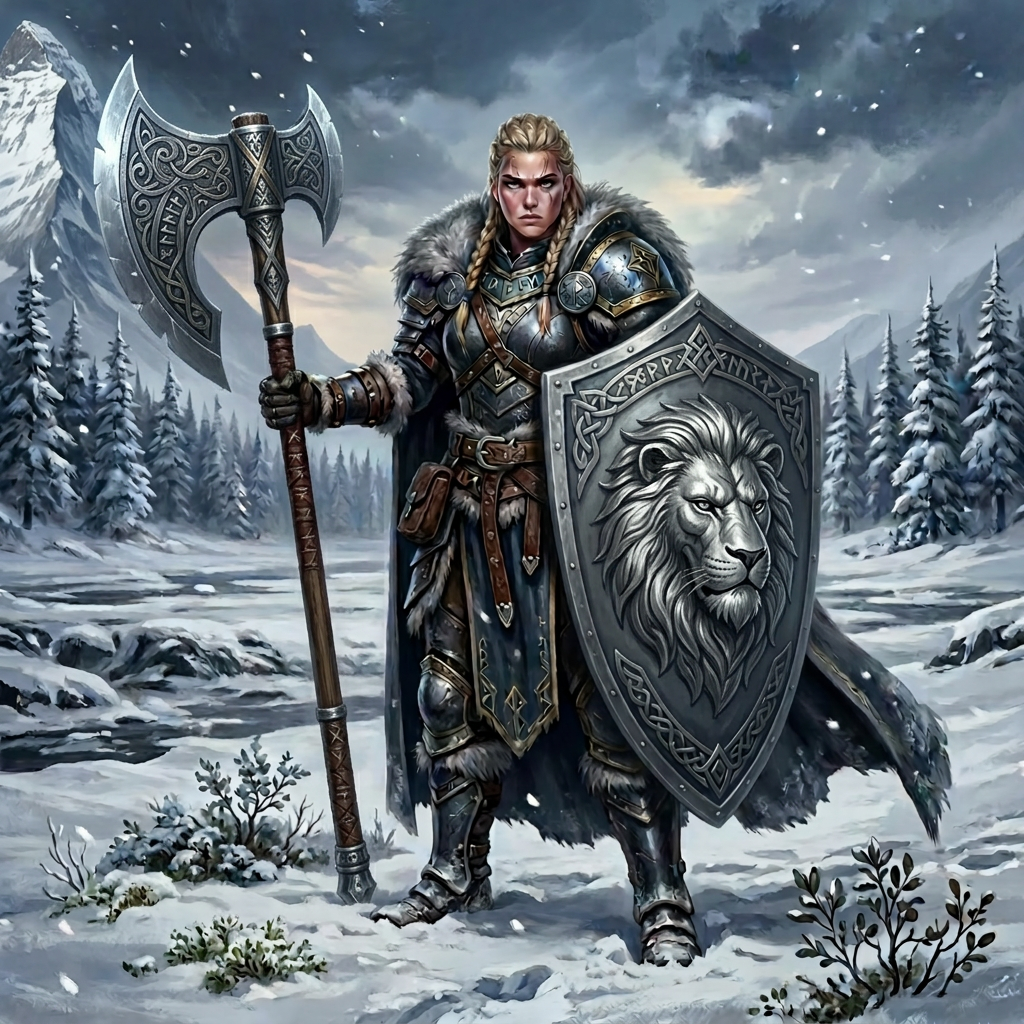
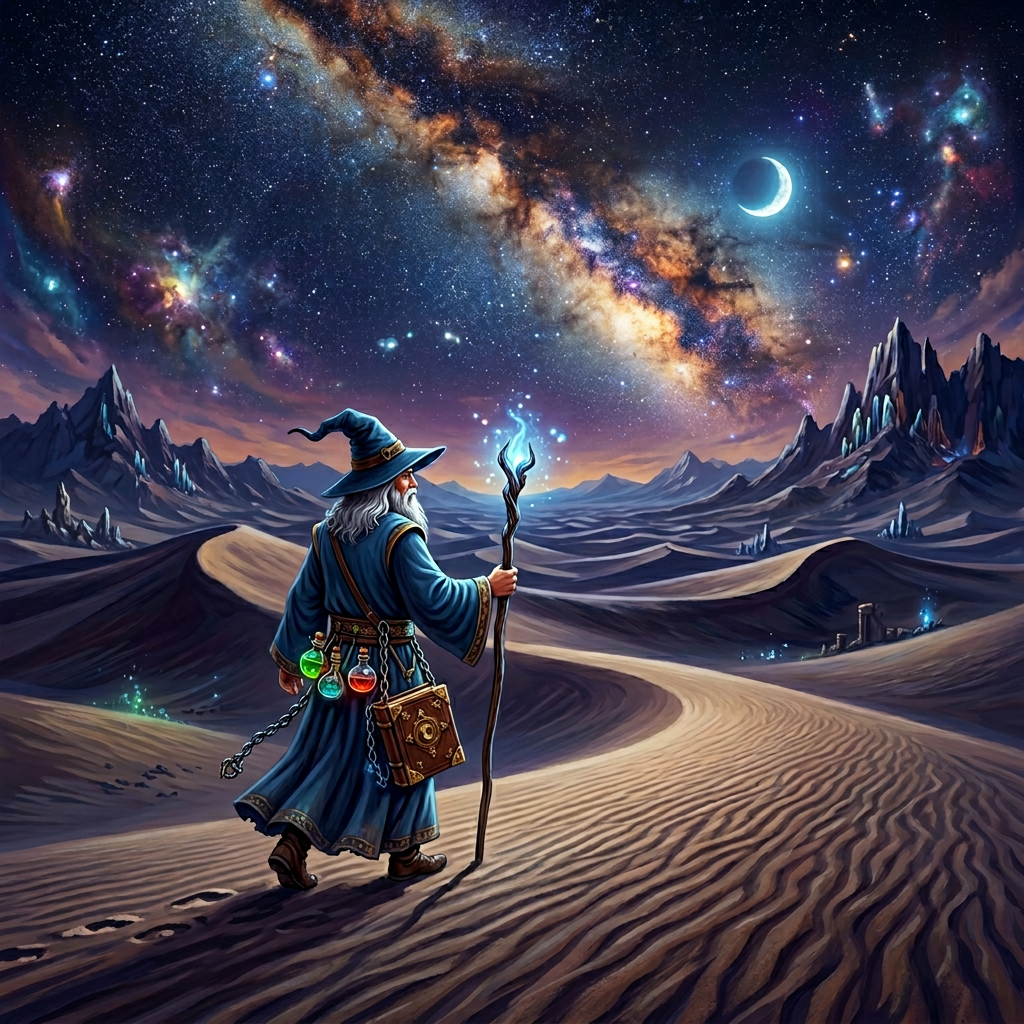
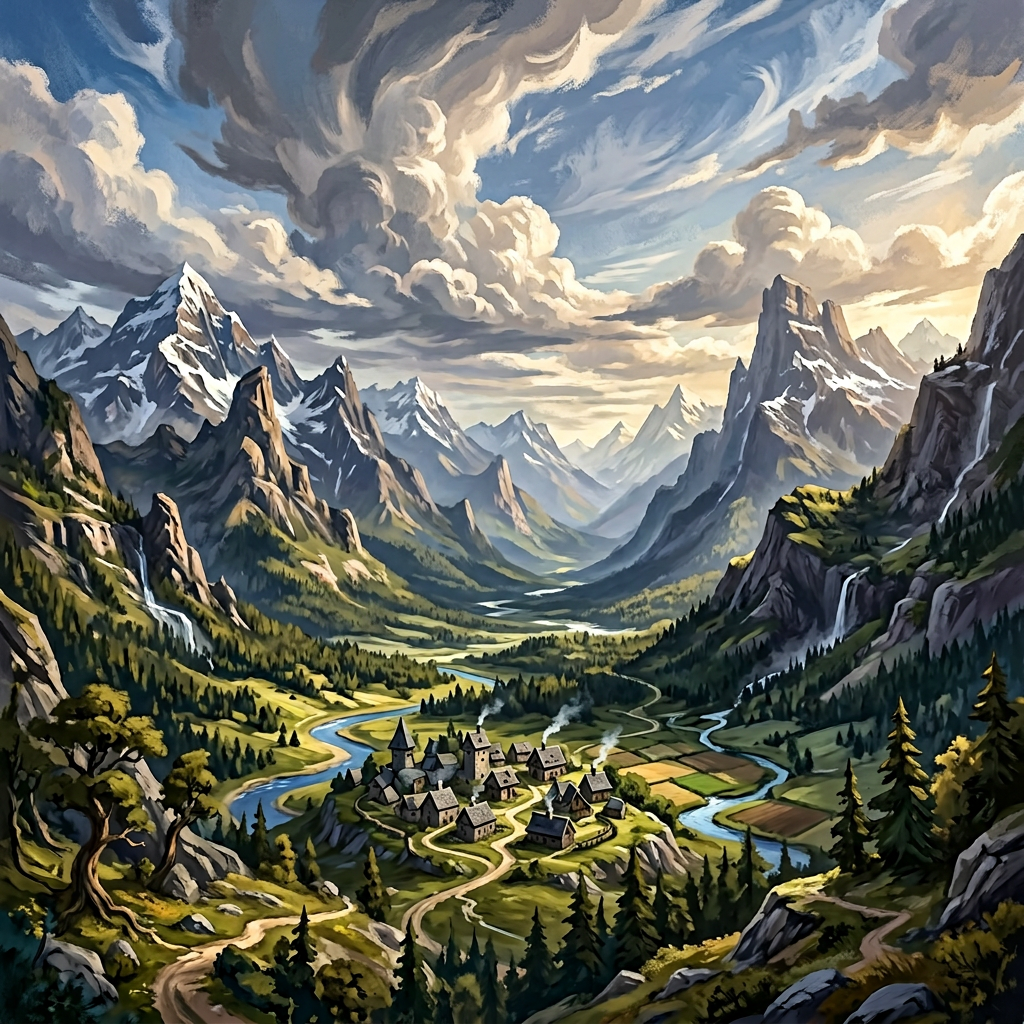
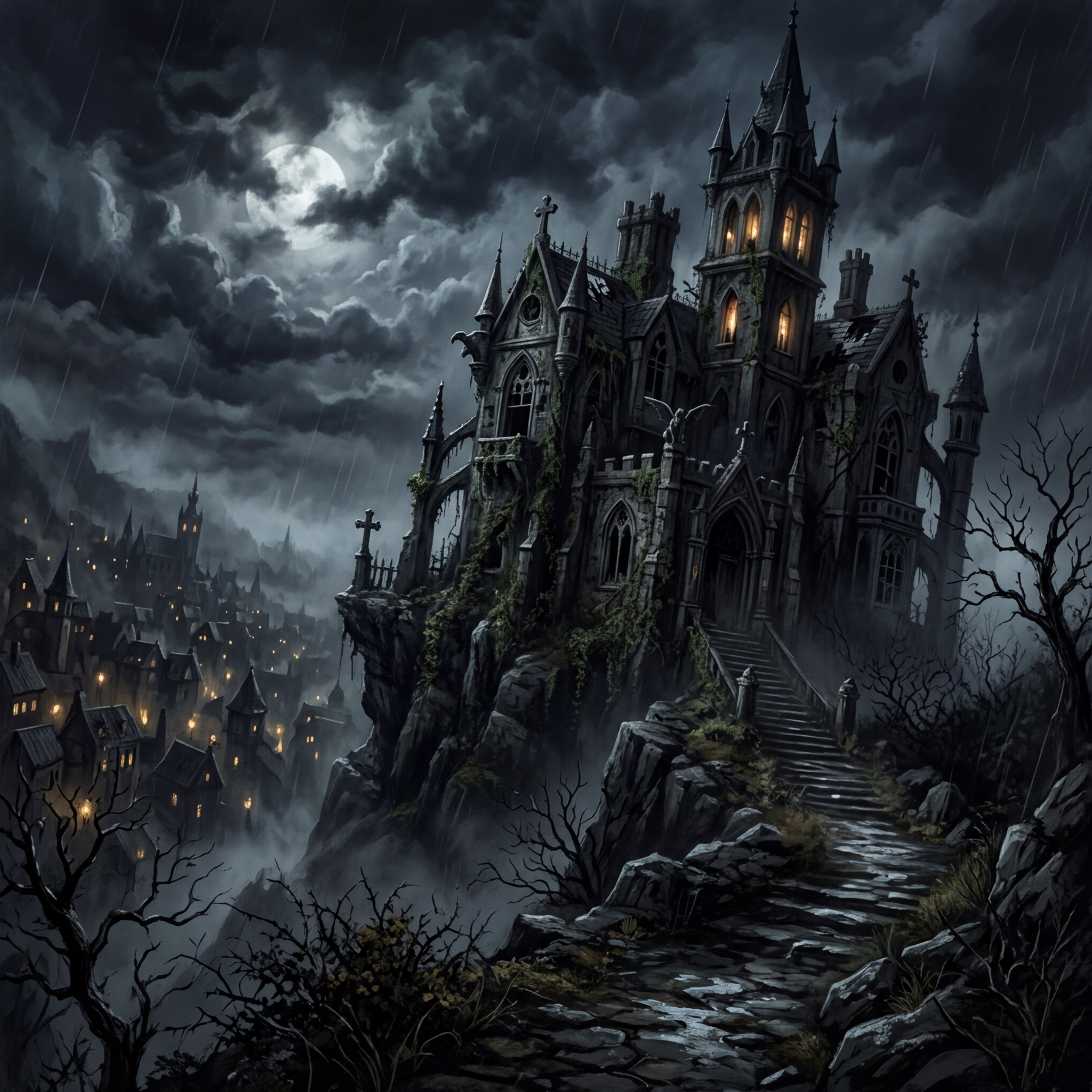
- Fantasy : stylized fantasy art
- Cinematographic : cinematic lighting, dramatic shadows, high contrast
- Hyper Realistic : ultra realistic, photorealistic, natural lighting, high detail textures
- Illustration : stylized illustration, hand-painted look, simplified shapes
- Bright / whimsical : vibrant colors, soft light, whimsical atmosphere
- Graphic / Design : minimalistic, flat lighting, clean shapes, product design aesthetic
- Painterly / Fine Art : oil painting style, visible brush strokes, artistic texture, classical painting
- Technical / Scan-Like : neutral lighting, flat illumination, orthographic feel, no shadows, documentation style
- Alternatives : Abstract / symbolic and Product-like / clean
Light
- Soft : soft natural lighting
- High Contrast : strong directional light, deep shadows, high contrast lighting
- Volumetric / fog : volumetric lighting, light rays, subtle fog, atmospheric depth
- Neon / emissive : neon lighting, emissive glow, colored light accents, subtle bloom
- Low key / dark / moody : very low light, dark environment, minimal illumination, moody shadows
- Overexposed / bright : bright lighting, soft overexposure, high key, washed highlights
Complexity
Keep the core part :
an old worn book with a thick leather cover, slightly weathered edges and visible page layers, simple embossed details on the cover, closed, low angle shot, realistic materials, cinematographic, soft natural light,
- Isolated
- Structured composition : carefully arranged objects, balanced composition, clear spacing, readable layout
- Multi-object interaction : natural arrangement, slight overlap, coherent composition, readable subject
- Dense environment : rich environment, layered elements, moderate visual density, subject remains identifiable, depth
- Controlled clutter : cluttered desk, uneven arrangement, overlapping objects, semi-chaotic but still readable
- Chaos / fragmentation : chaotic scene, scattered objects, fragmented layout, unbalanced composition, visual disorder, reduced readability
Keep a single style (cinematographic, neutral) and probe through the different layers of complexity. Look for :
- Subject priority : Does the book stay the focus? Or does it get lost?
- Spatial intelligence : believable placement? gravity respected? overlaps make sense?
- Composition control : does it still “frame” the image? or just fills space randomly?
- Noise management : clean vs messy ? intentional vs accidental clutter ?
Conflict tests
- Structural conflict : closed book, visible open pages
- Tests whether the model protects object logic.
- Compositional conflict : chaotic scene, clean composition
- Tests whether layout instructions override entropy.
- Visual hierarchy conflict : dense environment, subject remains dominant, reduced emphasis on subject
Model List
Model specific Workflows
AI Models & Services
General AI
- Chat GPT : General-purpose multimodal AI platform
- Google Gemini : Multimodal AI assistant and model platform
- Claude (Anthropic) : Long-context reasoning AI assistant
Image Generation
- Adobe Firefly : Commercial-safe creative AI suite
- MidJourney : Artistic AI image generation platform
- FLUX (Black Forest Labs) : Open-weight image generation model family
- Stable Diffusion : Open-source image generation ecosystem
- ComfyUI : Node-based local AI workflow framework
- Automatic1111 : Stable Diffusion web interface
Video Generation
- HiggsField : AI-powered cinematic video generation platform
- Luma AI : video + 3D + multimodal creation
- Runway : AI video creation and editing platform
- Seedance AI : AI video generation model focused on motion consistency
- Kling AI : High-fidelity AI video generation platform
- Pika AI : video effects and animation platform
- Veo (Google) : High-quality AI video generation model
- LTX Studio : AI-assisted filmmaking and storyboarding platform
- Latted : pay-as-you-go video models. Unified timeline and tools
3D
- Meshy : AI 3D asset generation platform
- Tripo AI : AI 3D model generation platform
- Rodin (Deemos) : AI 3D mesh generation platform
Audio
- OpenAI FM : AI speech synthesis and voice interaction platform
- ElevenLabs : AI voice generation platform
- Suno : AI music generation platform
- Udio : AI music generation platform
AI Services
- Lambda AI : Pay-per-use AI Infrastructure (GPU superpower)
Image Generating
- Scene: Describe the environment, main objects, and their relationships.
- Focus: Mention what should be most visible or important in the frame.
- Style: Specify realism, lighting, camera angle, color tone, etc.
- Purpose: Explain the context or use (e.g., documentation, tutorial, UI illustration).
- Reference Images: Mention if you have any uploaded files to guide style, layout, or color.
Ratio References
- Ultra wide Displays: 3440×1440: 43:18
- S23 Ultra: 1440×3088: 9:19.5 or 9:20
Common choices
- 4:5
- 9:16
- 21:9
- 1:1
- 2:3
- 4:3
Camera Views
| Eye-Level Shot | Low-Angle Shot | High-Angle Shot | Bird's Eye View |
|---|---|---|---|
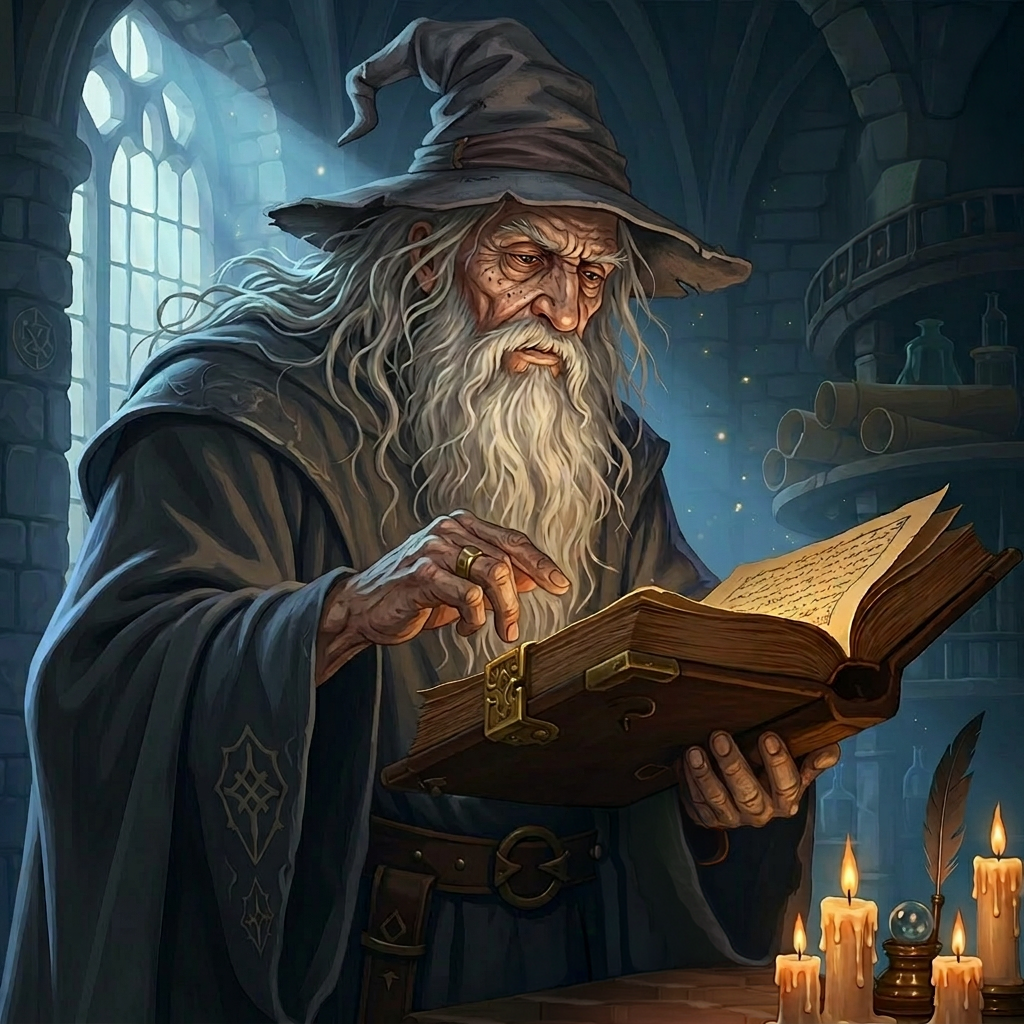 | 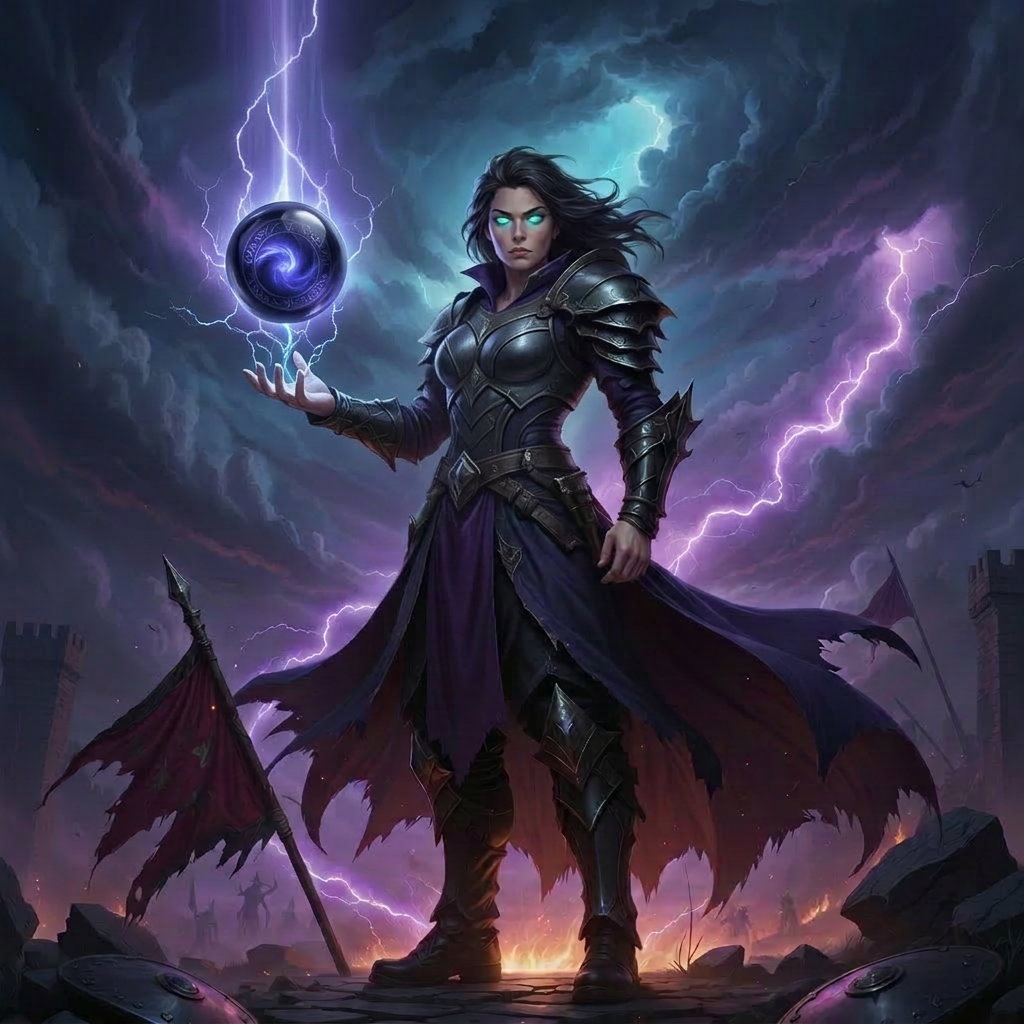 | 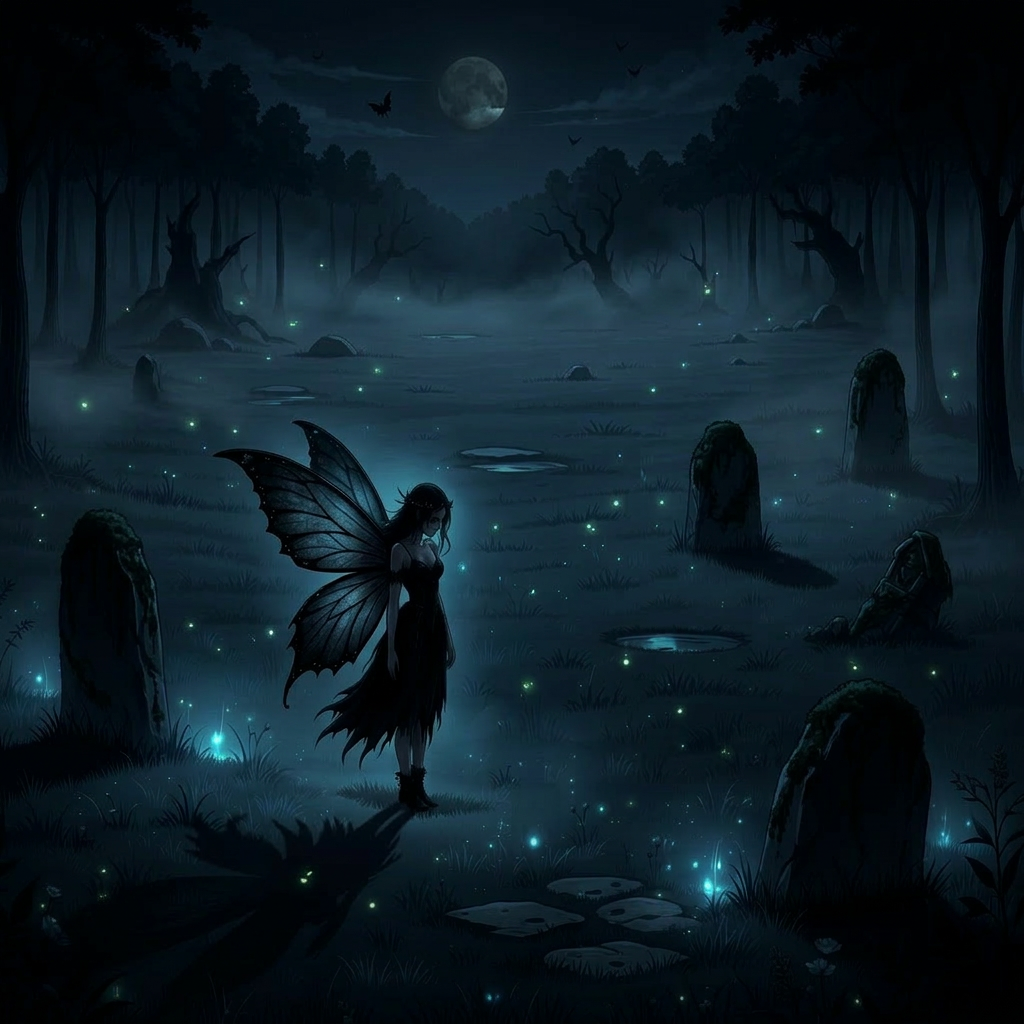 | 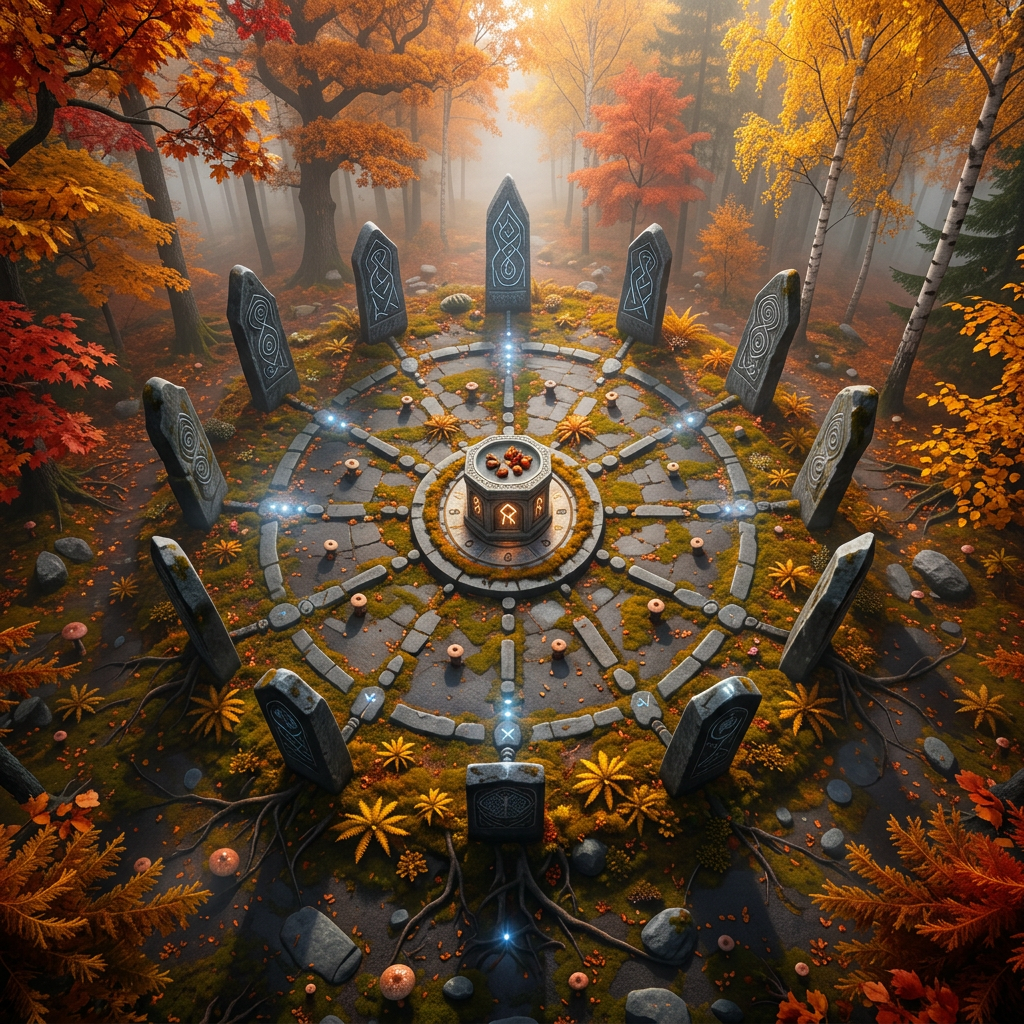 |
| Neutral, natural perspective. Great baseline | Makes subject feel powerful or imposing | Makes subject feel small or vulnerable | Strong composition, look down on subject |
| Worm's Eye View | Over-the-Shoulder Shot | Close-up | Extreme Close-up |
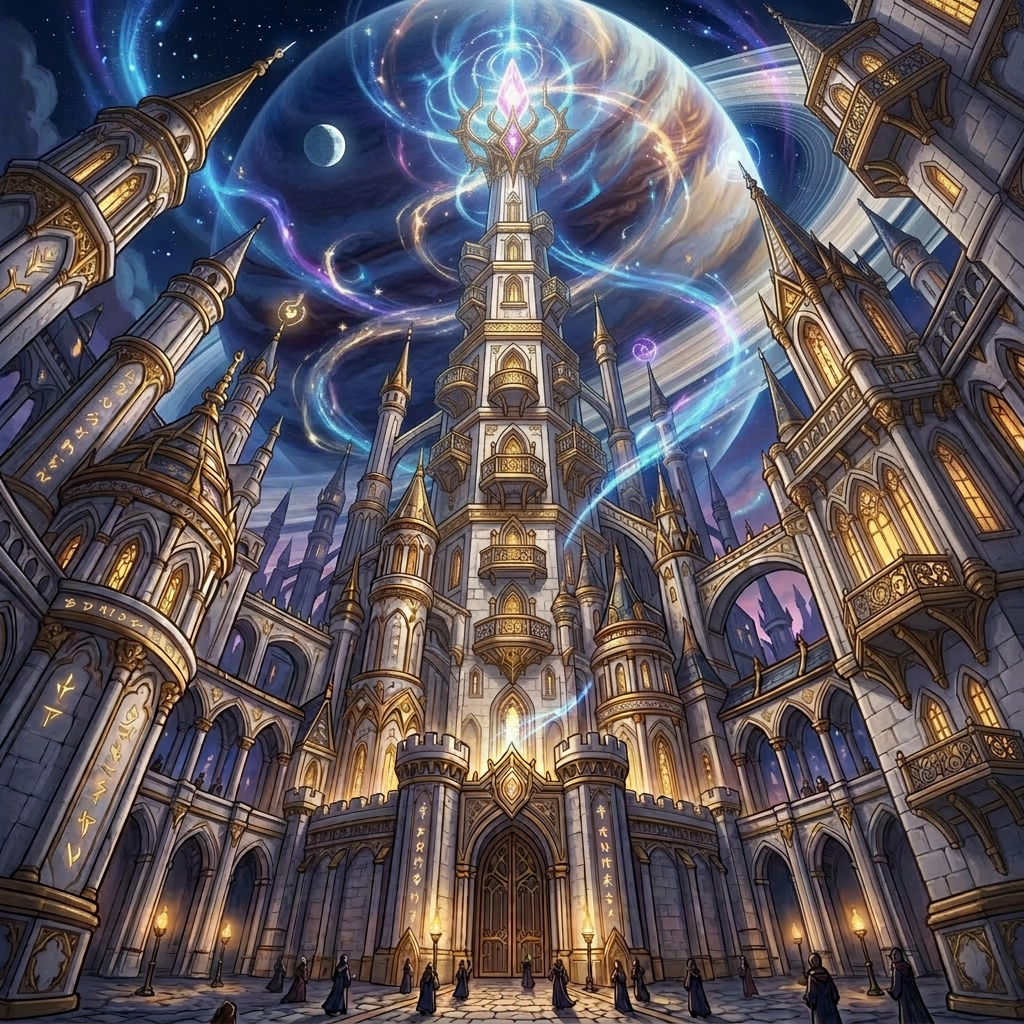 | 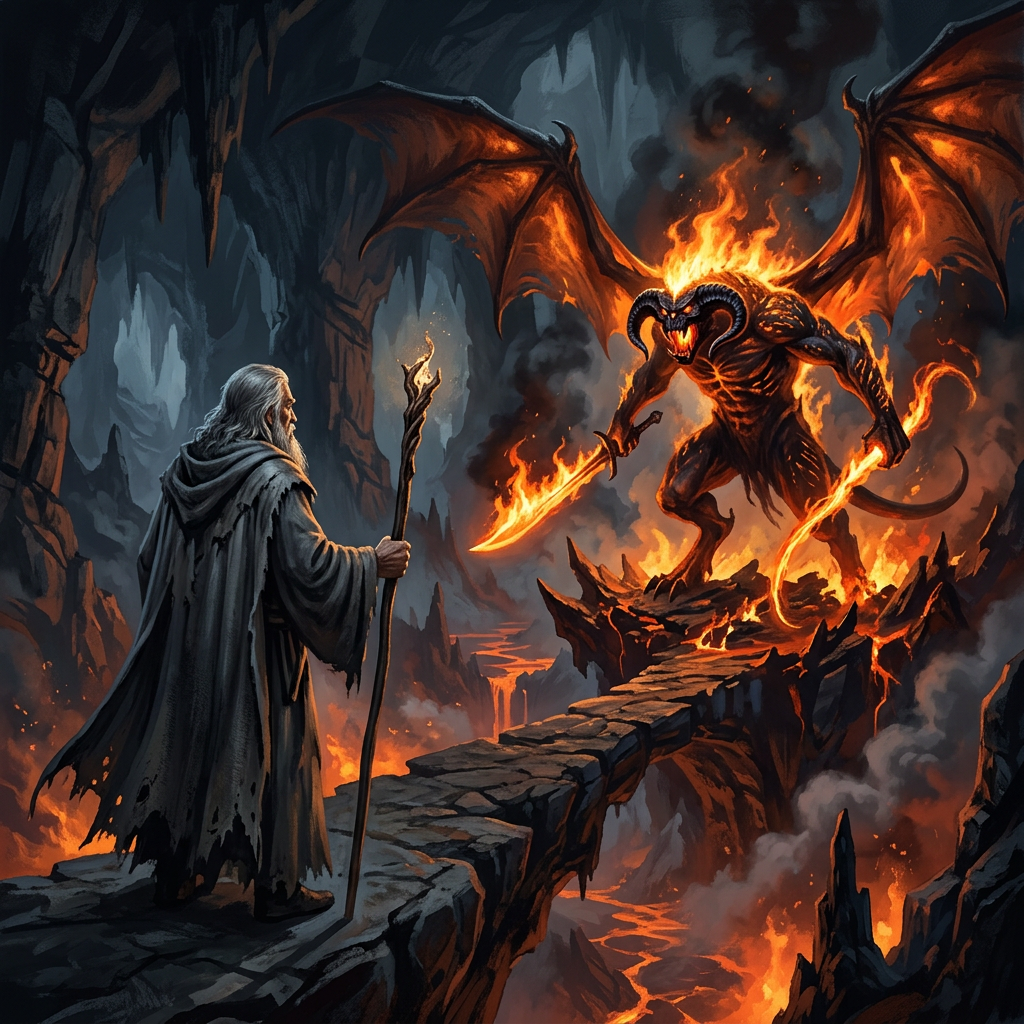 | 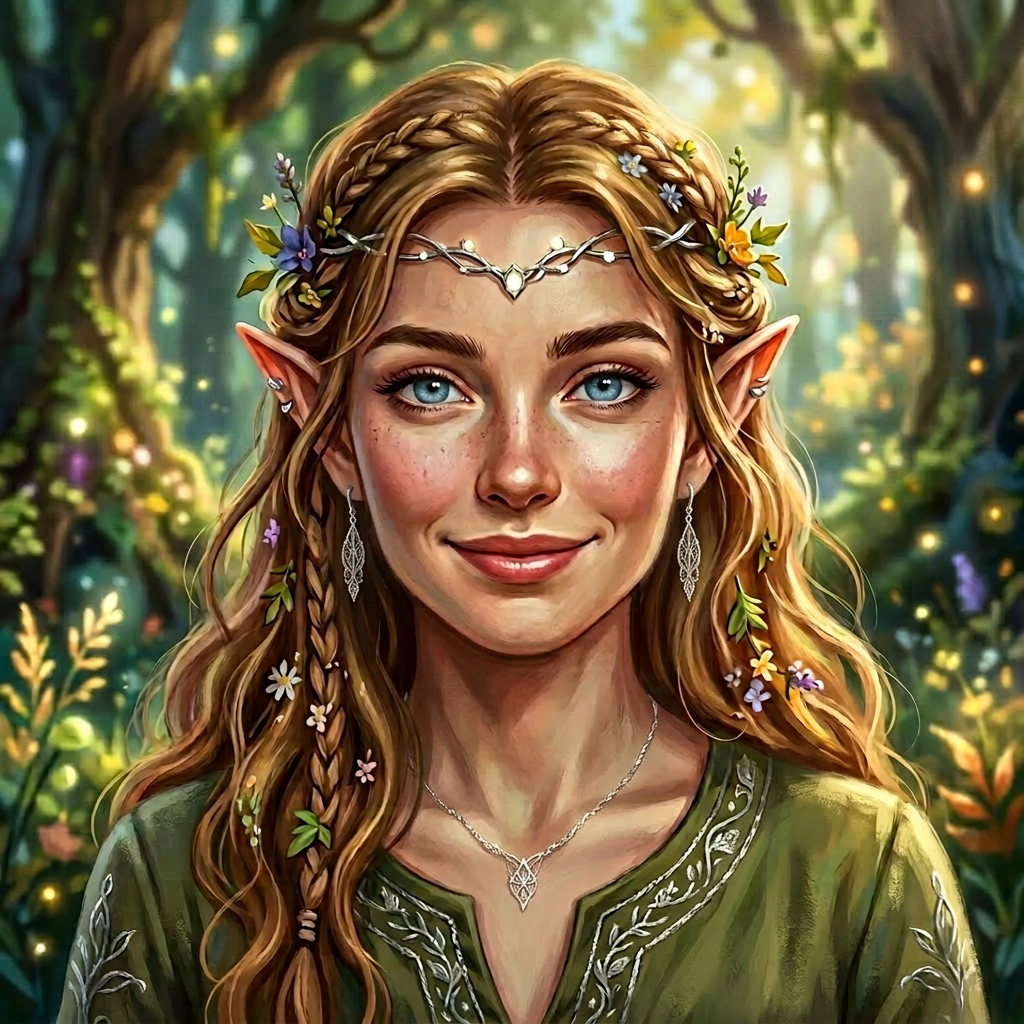 |  |
| More extreme than low angle, very stylized | Great for storytelling and interaction | Emotion, detail, texture | Hyper focus on a detail |
| Medium shot | Full shot (full body) | Wide shot | Extreme wide shot (establishing shot) |
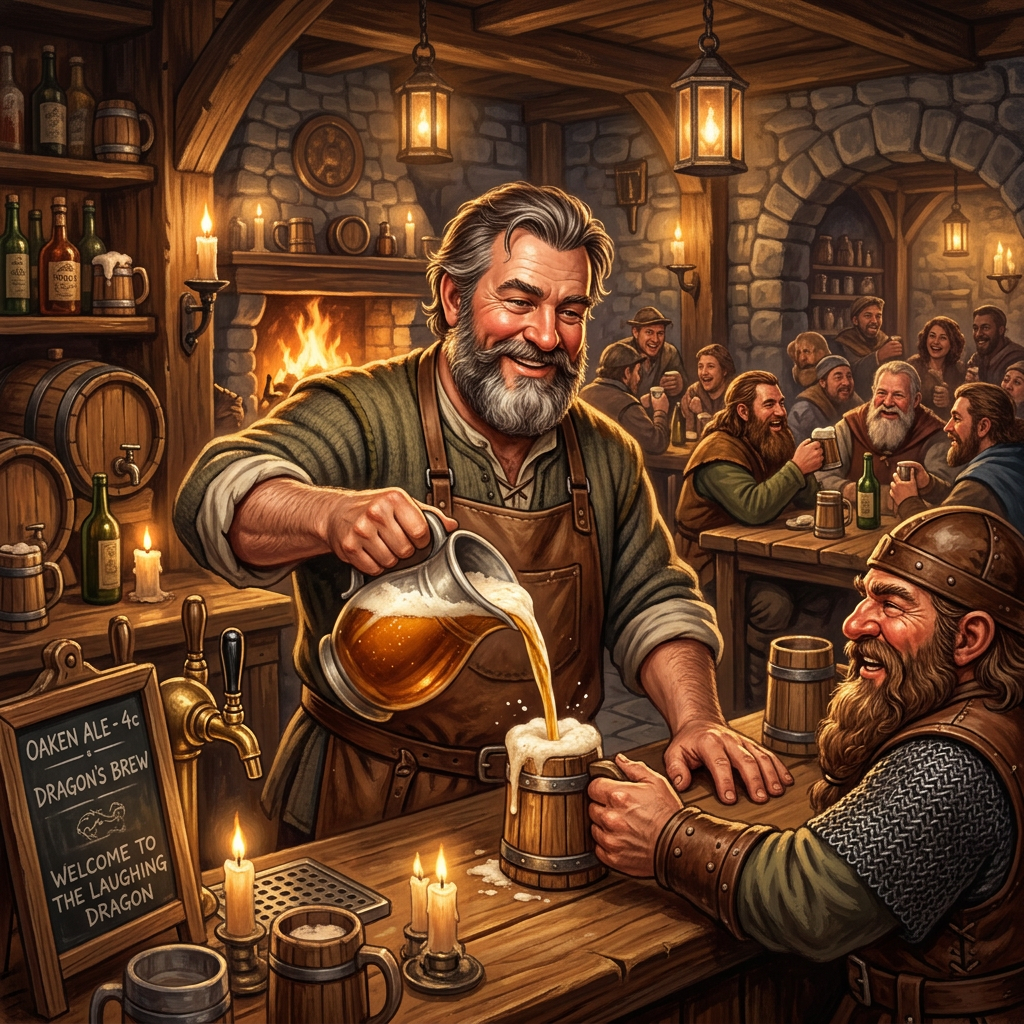 |  |  |  |
| Waist-up framing, very stable composition | Shows character + posture | Subject in environment | Environment dominates |
| Dutch angle (tilted shot) | Isometric view | POV shot (first-person) | Macro shot |
 | 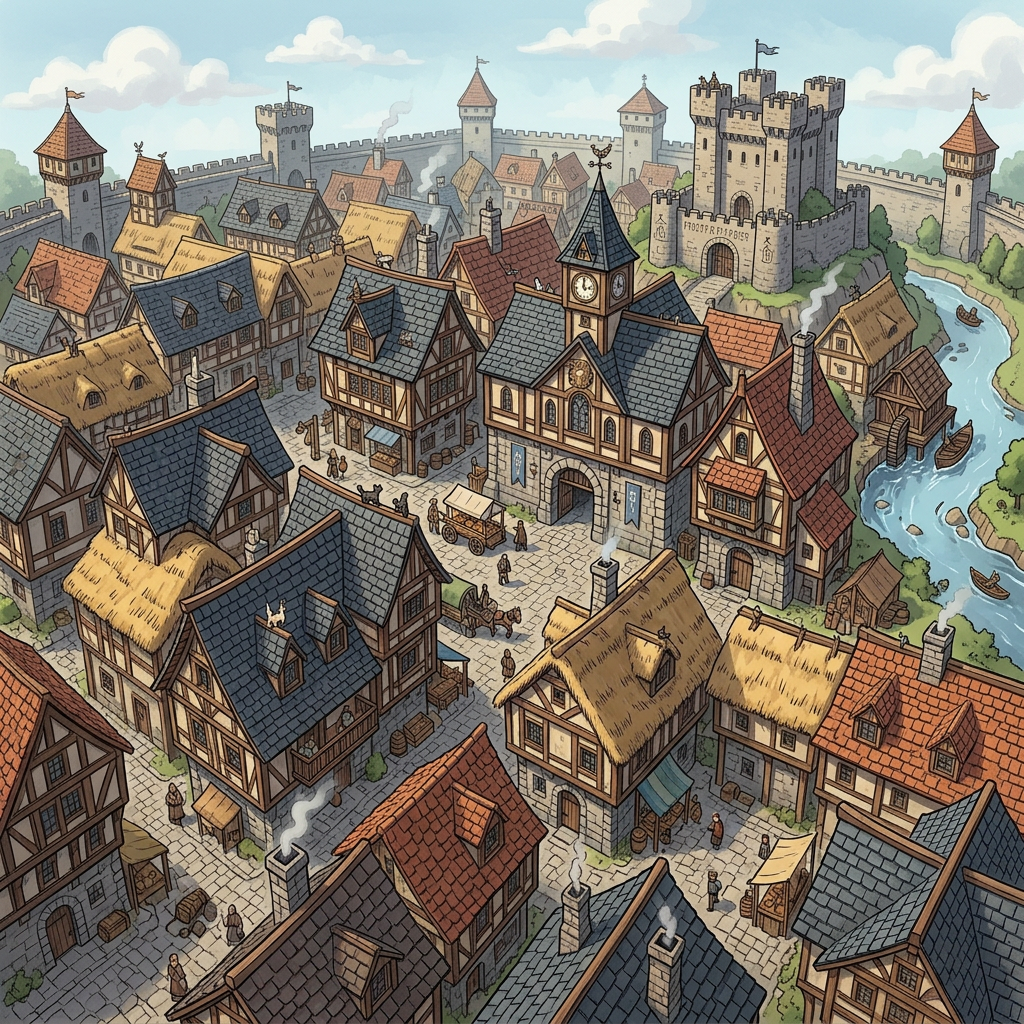 | 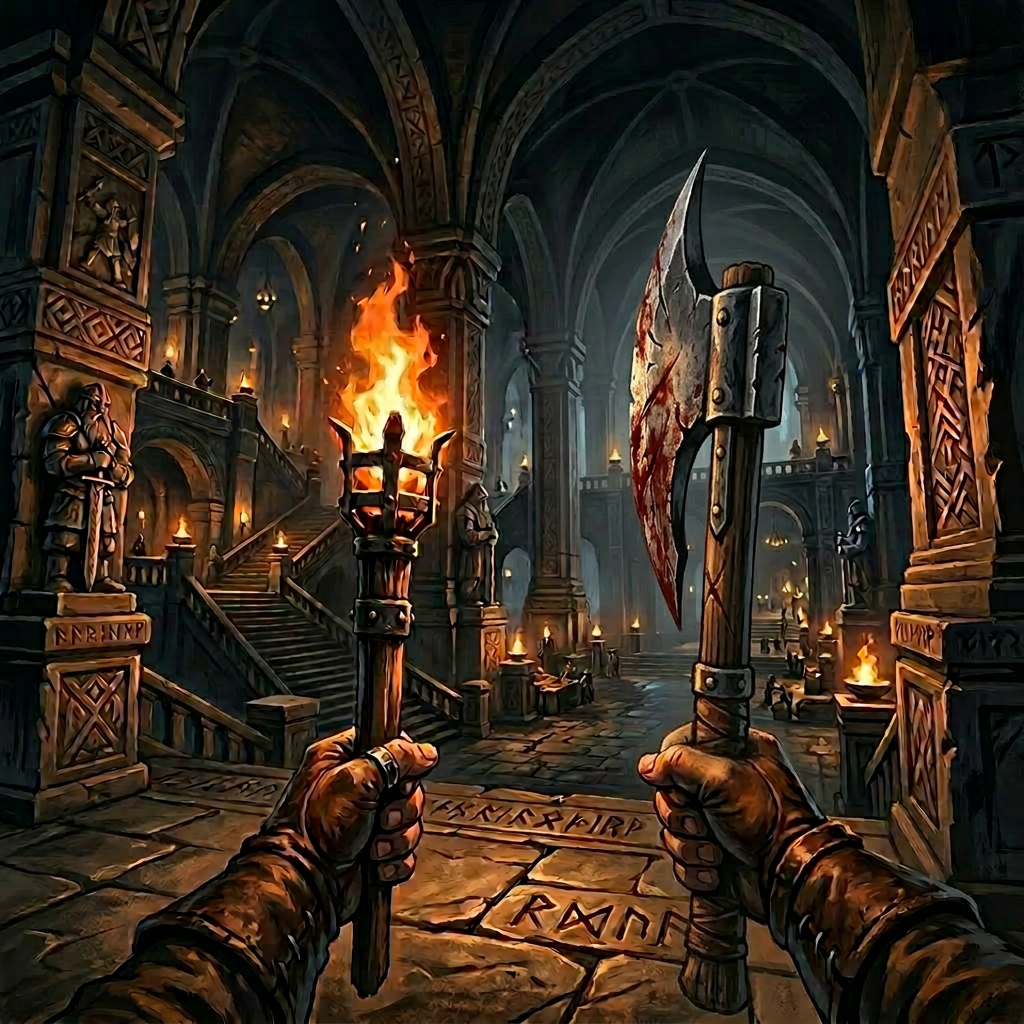 | 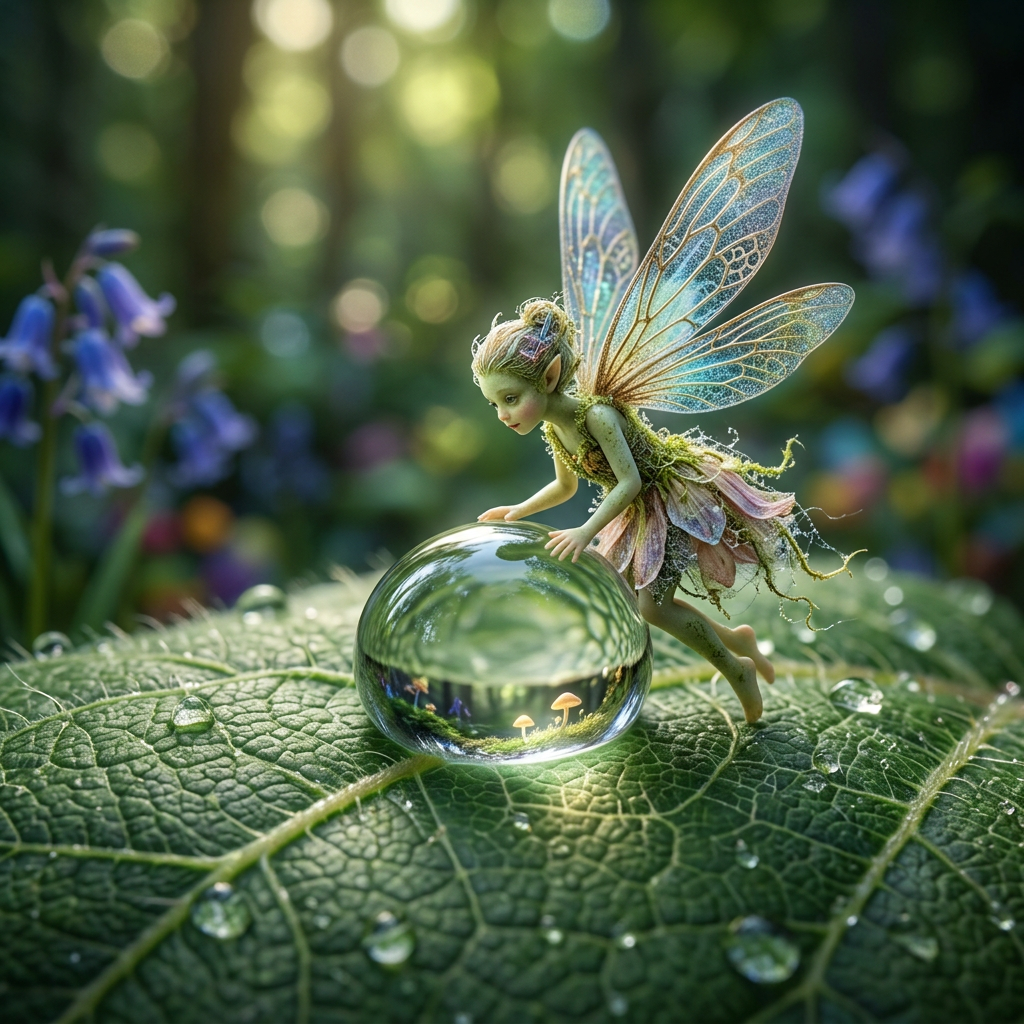 |
| Adds tension, instability | Very popular in generative AI, super clean results | Immersive, game-like | Tiny subjects, strong depth of field effects |
| Aerial Shot | Tracking shot (implied motion) | ||
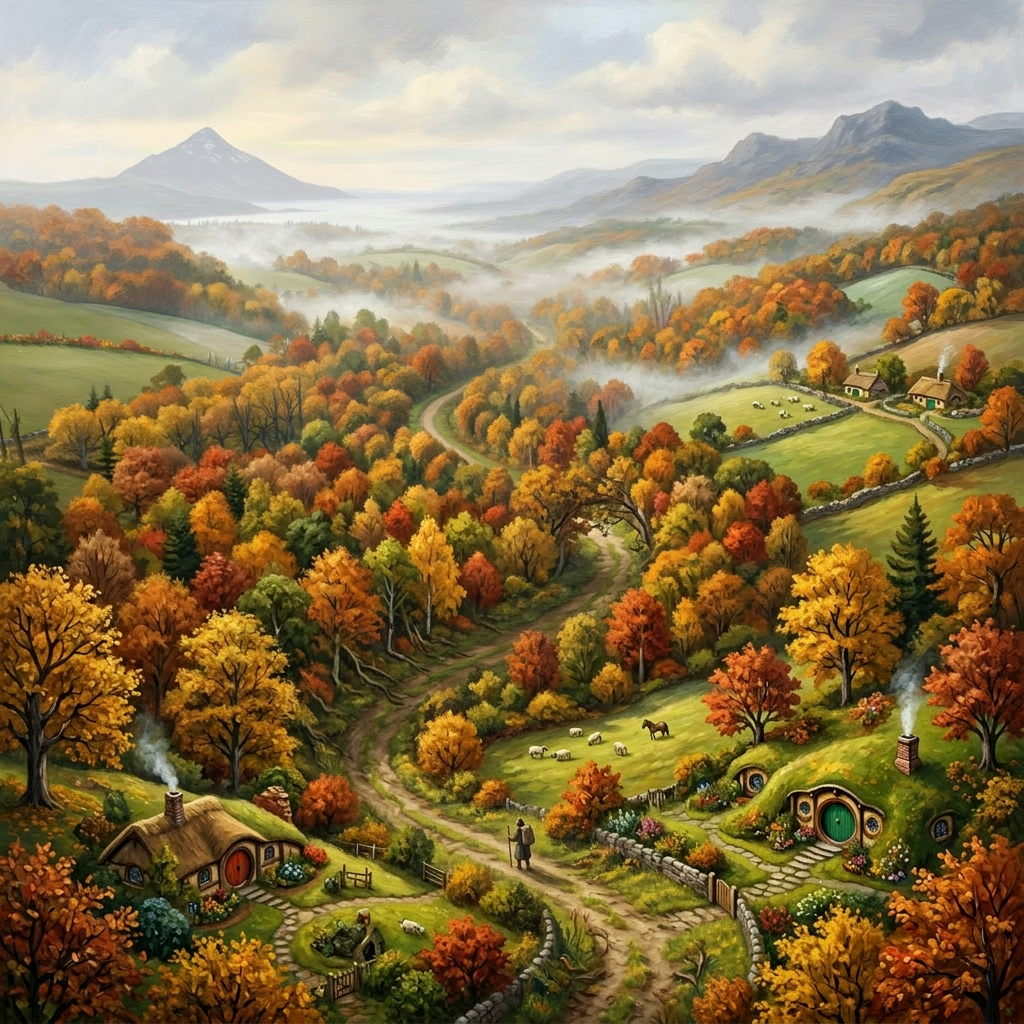 | 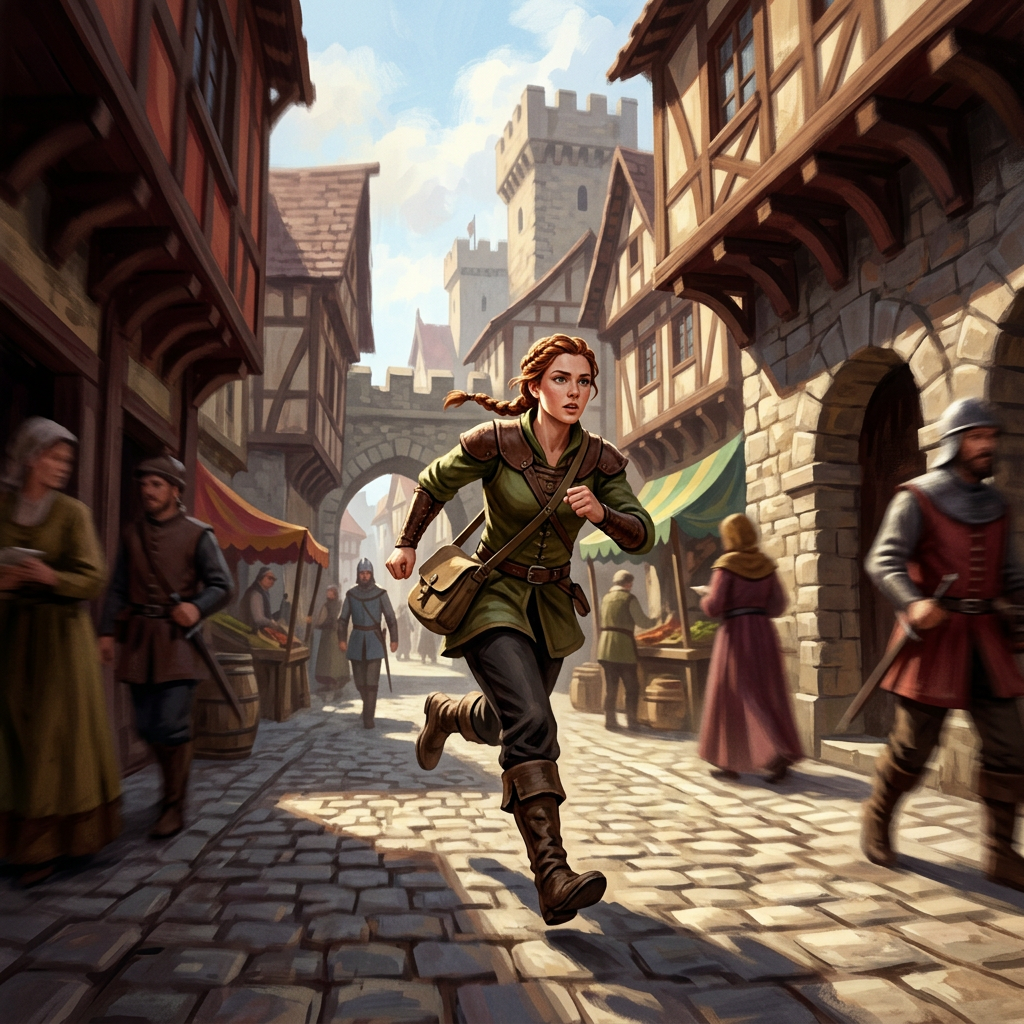 | ||
| Less vertical than bird’s-eye, more cinematic landscape | Works surprisingly well even in stills |
Style
The style list can be divided into two complementary layers:
- medium styles, which describe
howan image is rendered - aesthetic / genre styles, which describe
what kind of visual worldor artistic direction the image tends toward.
This split is practical rather than absolute, but it helps clarify what exactly is being tested.
Medium styles
- Photographic / Photo realistic
- Oil Paint
- Watercolor
- Pencil Sketch
- Chalk Pastel
- Digital Painting
- 3D Render / CGI
- Vector Illustration
- Ink / Comic Illustration
Aesthetic / Genre styles
- Anime
- Neon Punk
- Fantasy Art
- Cinematic / Film Still
- Sci-Fi Concept Art
- Storybook Illustration
Notorious medium + aesthetic / genre mixes
- Digital Painting + Fantasy Art
- produces polished concept-art imagery
- useful for fantasy characters, environments, props, and worldbuilding visuals
- Photographic / Photo realistic + Cinematic / Film Still
- produces movie-like staging, lighting, and color grading
- useful for realistic scenes with strong atmosphere and narrative framing
- 3D Render / CGI + Sci-Fi Concept Art
- produces hard-surface futuristic visuals
- useful for vehicles, robots, environments, props, and technology-heavy scenes
- Watercolor + Storybook Illustration
- produces soft, gentle illustrated scenes
- useful for fairytale imagery, children’s-book aesthetics, and whimsical environments
- Ink / Comic Illustration + Neon Punk
- produces bold graphic cyberpunk imagery
- useful for stylized characters, posters, high-contrast scenes, and urban neon compositions
- These mixes are useful because they reveal:
- whether a model can imitate a style
- whether it can combine rendering language and visual genre coherently
Subject
Describe the subject in detail. Shape, size, how things are positioned.
Colors
Specify the desired dominant colors or mood board.
Materials
Describe materials.
Viewing Distance
- Extreme Long Shot
- Very Long Shot
- Long Shot/Wide Shot
- Full Shot
- Medium Long Shot
- Medium Shot
- Medium Close-up Shot
- Close-up Shot
- Extreme Close-up Shot
Viewing Angle
- Top-Down View (90°)
- High Angle View (45°)
- Eye-level View (0°)
- Low-angle View/Hero Shot (-15°)
- Extreme Low-angle View/Worm's eye View (-60°)
Focal Length
- 18mm : Super wide, capture a lot in the frame. Good for big landscapes or tight spaces. Adds depth and slight warping.
- 24mm : Versatile wide-angle view, great for portraits, street scenes, and landscapes. More background than a standard lens, less distortion and less warping.
- 35mm : Natural perspective closer to the human eye. Ideal for street photography or environmental portraits, where subjects interacts with their surroundings.
- 50mm : Standard and versatile. Very close to the human eye - natural and familiar feel.
- 85mm : Zooms in a bit, narrower view - flattering perspective for portraits. Minimizes distortion - popular choice for capturing people and food close-ups without warping the subject.
- 105mm : Telephoto - great for portrait photography, flattering look. Macro photography - shallow depth of field (blurry background) to isolate the subject.
- 135mm : Very narrow angle of view, nice magnification. last focal length for portrait photography - headshots with smooth blurry background.
- 200mm : Perfect for isolating subjects from a distance. Ideal for wildlife, sports, and astrophotography.
Special Lenses
- Fisheye Lens : Super wide-angle, up to 180 degrees, bending the scene with a curved bubble effect. Trippy, distorted look.
- Tilt-Shift Lens : Blur parts of the image, creating a “miniature effect” that makes giant buildings look tiny.
- Lensbaby : Creative blur on most of the image and focus on a specific spot. Dreamy, magical effect.
- Infrared Lens : Reveal things invisible to the naked eye. Alien-looking landscapes. Mysterious and otherworldly vibes.
- Pinhole Lens : Soft photos with and a dreamlike quality. Experimental and back-to-basics approach to images.
Various
- Short/Fast Shutter Speed : No blur, quick camera blink. Less light in, darker images. Good for catching splashes, jumps, or fast movements.
- Slow/Long Shutter Speed : Blurry waterfalls, streaky city lights. Shutter stays open longer, capturing movement and light over time. Good for showing motion or starry night skies.
- Wide Aperture : (low f-number between f/1.4 and f/5.6). Lots of light in with soft blur effect in the background, perfect for portraits or product pics.
- Narrow Aperture : (high f-number, like f/11 or f/32). Less light in but everything in focus, from front to back. Perfect for landscapes, buildings, or scenes with lots of details.
- Low ISO : (ISO 100 or 200) Perfect for bright scenes. Keep photo crisp and clear, no graininess.
- High ISO : (ISO 800, 1600, or beyond) Capture images in darker environments, sometimes adds noise.