Table of Contents
FLUX.2
a disciplined renderer who follows the brief closely, producing solid controlled images when the task is concrete, but struggling when the prompt asks for impossible scale, complex anatomy, or deep narrative life
General
Flux.2 prioritizes literal prompt execution, subject clarity, and controlled visual construction over expressive interpretation, cinematic invention, or rich narrative expansion.
It exhibits solid baseline competence across portraits, neutral bodies, simple objects, interiors, landscapes, atmospheric scenes, materials, and physics-style prompts.
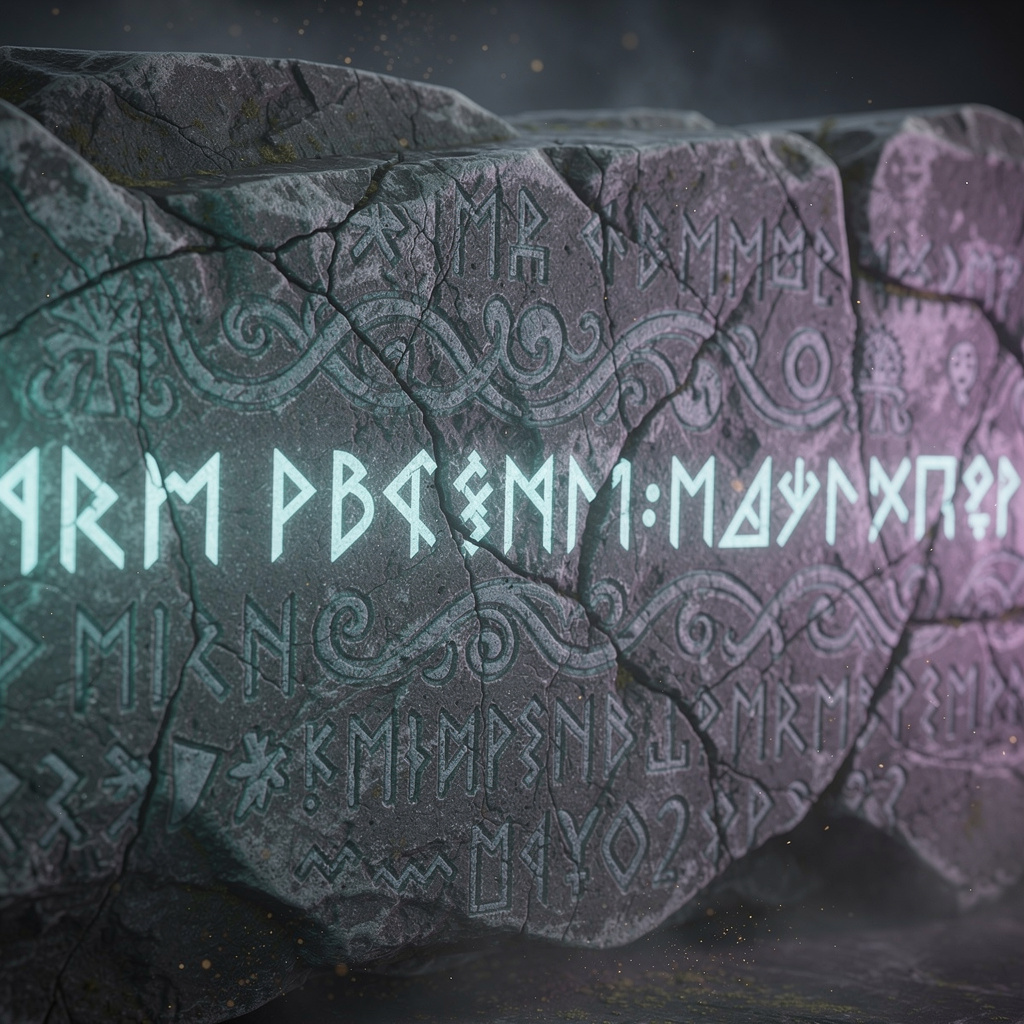
The model performs best when the task is concrete and visually bounded, especially with objects, macro photography, material studies, reflective surfaces, impact, complex patterns, fantasy runes, and clean interior or landscape scenes.
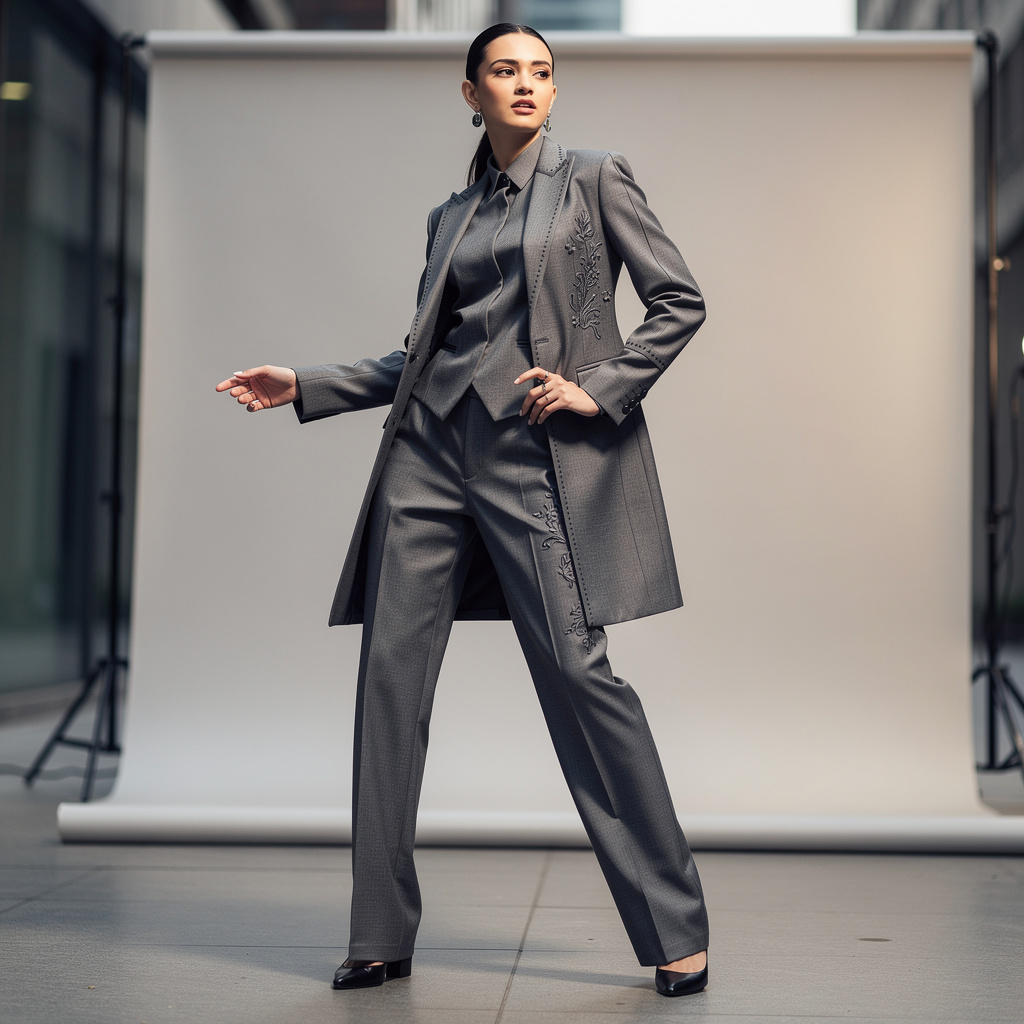
Human motion, hands, hybrid anatomy, city logic, extreme scale, and fashion energy are more fragile, often becoming stiff, artificial, composited, overly illustrative, or visibly AI-like when the prompt requires structural intelligence beyond surface-level execution.
Outputs are stable and often usable, but the model tends to fall into generic realism, 3D-rendered fantasy, or 2D illustration modes when the prompt leaves too much interpretive space.
Main DNA Traits
🧬 Literal Construction
The model follows prompt categories directly and builds clear visual answers without much semantic expansion.
It gives you what was asked, but rarely adds a hidden layer of intent
🧬 Concrete Subject Strength
The model is strongest when the prompt has a clear object, material, atmosphere, or bounded visual problem to solve.
Objects, surfaces, particles, patterns, and simple scenes are safer ground than complex living systems
🧬 Fragile Complexity
The model weakens when it must resolve dynamic anatomy, real urban logic, impossible scale, layered storytelling, or emotionally charged group scenes.
Complexity is often rendered as a convincing surface before it is solved as a system
Strengths
- perfect for:
- object studies
- macro photography
- material and physics demonstrations
- clean interiors and landscapes
- fantasy illustration surfaces
- symbolic and abstract imagery
- you often get:
- clear subject focus
- solid composition
- credible simple atmosphere
- strong material effects
- good pattern and rune handling
- stable, usable images
Atlas
Core
| Null | Guided |
|---|---|
 |  |
Styles
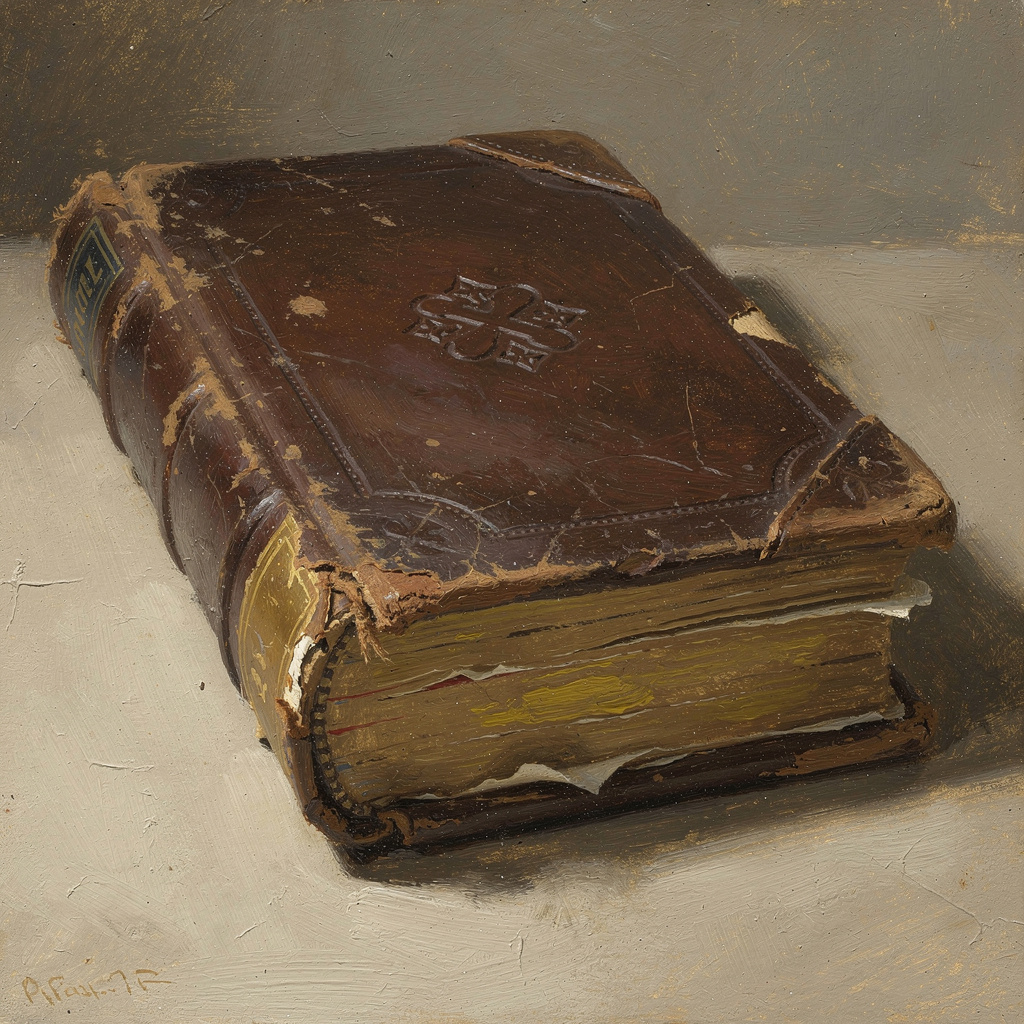
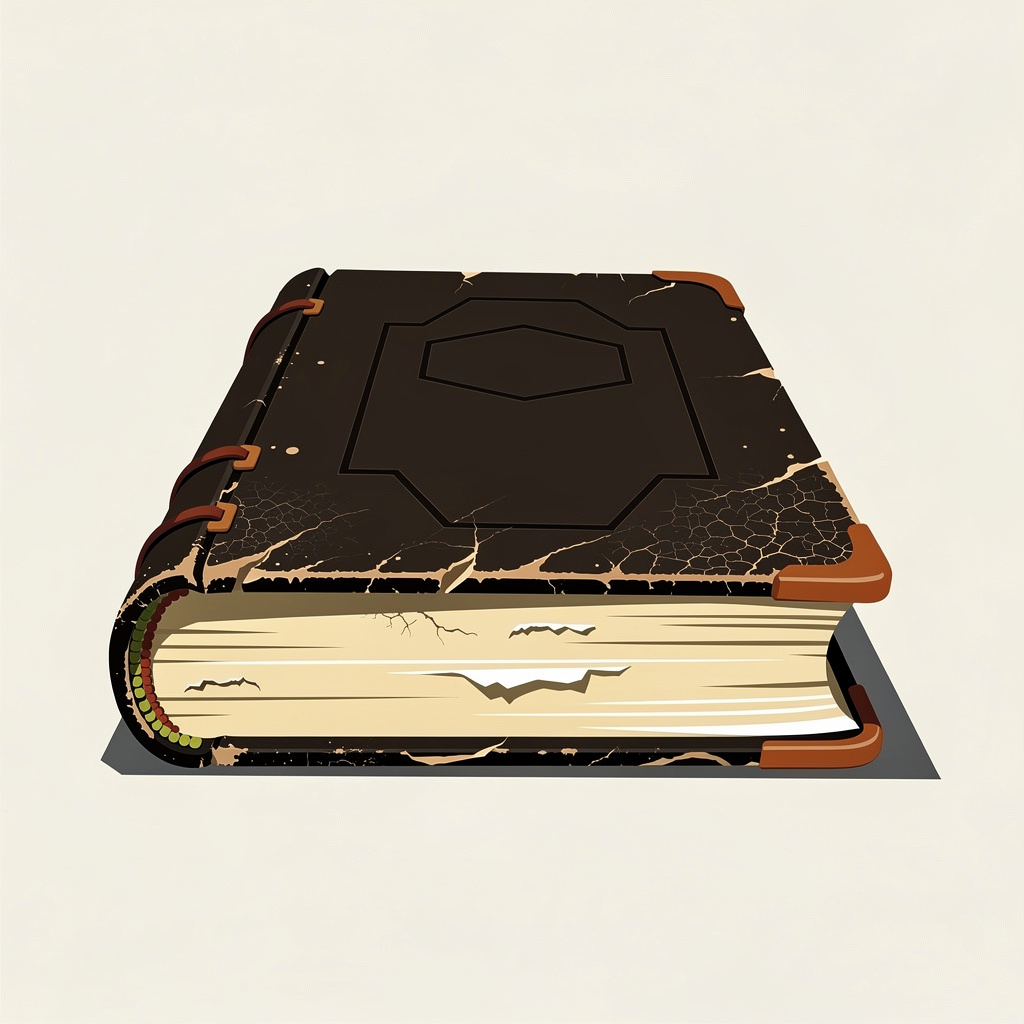
| Fantasy | Cinematographic | Hyper Realistic | Sylized Illustration |
|---|---|---|---|
 |  |  |  |
| Painterly | Bright Whimsical | Graphic / Design | Technical / Scan-like |
 |  |  |  |
Light
| Soft Natural | High Contrast | Volumetric Fog | Neon |
|---|---|---|---|
 |  |  |  |
| Low key / dark / Moody | Overexposed / bright | Directional Spotlight | Warm & Cool |
 |  |  |  |
Environment Complexity
| Structured | Multi-Ojbect | Dense Environment | Controlled Clutter |
|---|---|---|---|
 |  |  |  |
| Chaotic | Chaos Control | ||
 |  |
Batches were run in march 2026.
Human Anatomy
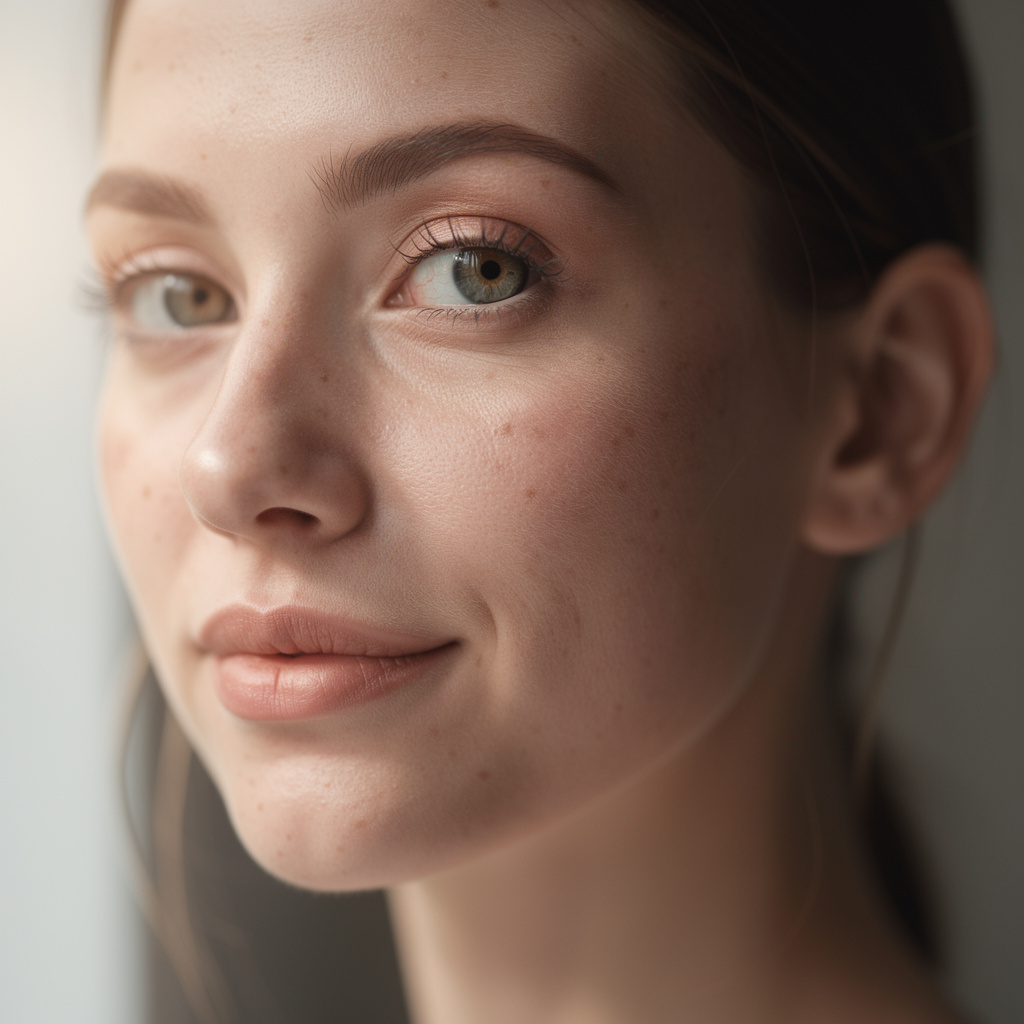
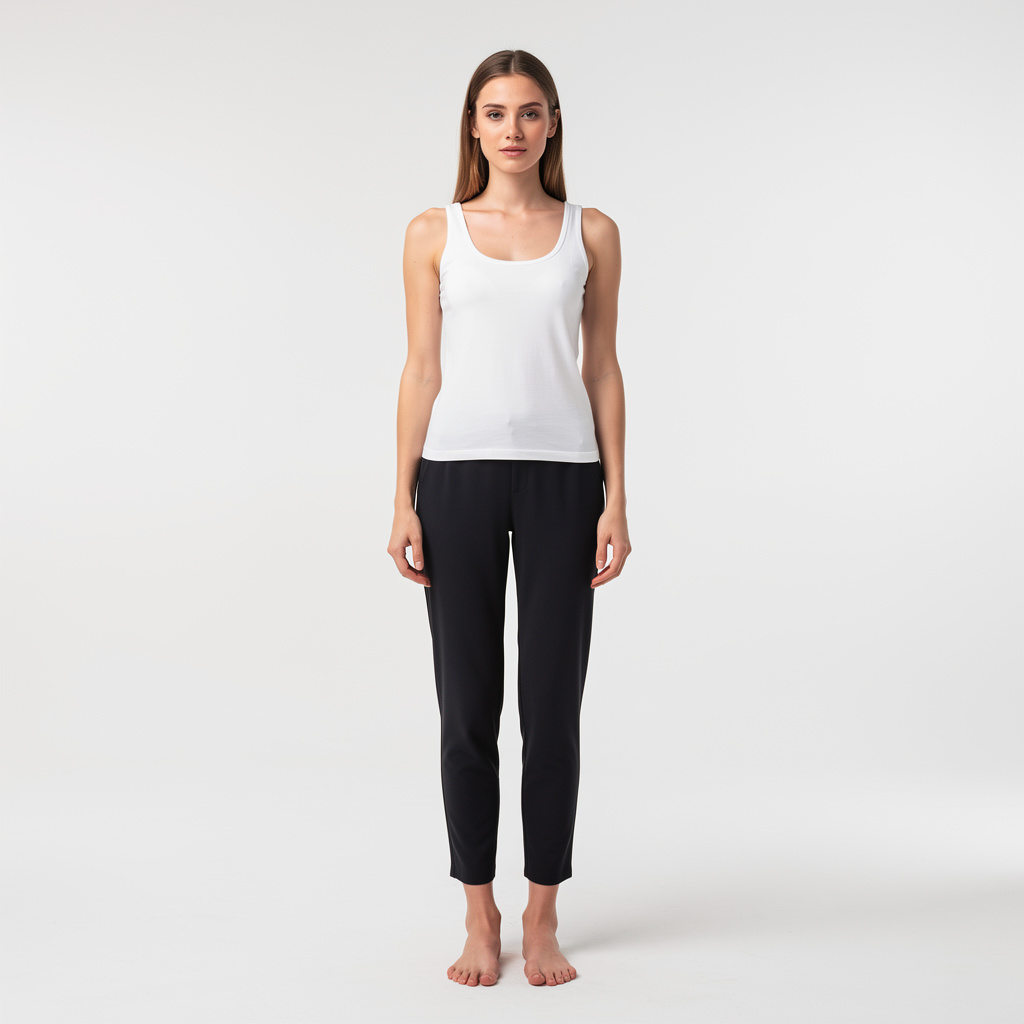
| Portrait | Full Body | Dynamic Motion | Close-Up |
|---|---|---|---|
 |  |  |  |
Mythic
| Warrior | Mage | Dragon | Hybrid |
|---|---|---|---|
 |  |  | censored |
Environment
| Landscape | Cityscape | Interior | Primordial Titan |
|---|---|---|---|
 |  |  |  |
Storytelling
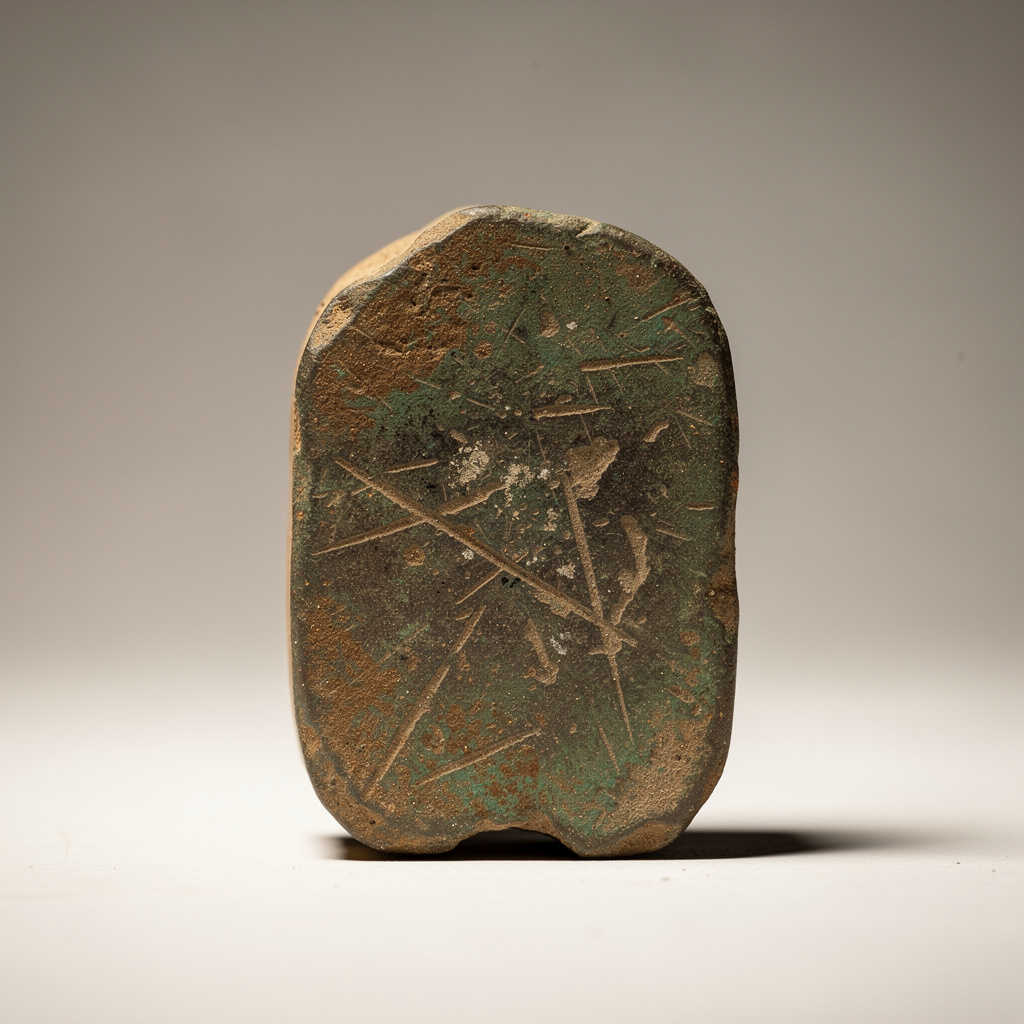
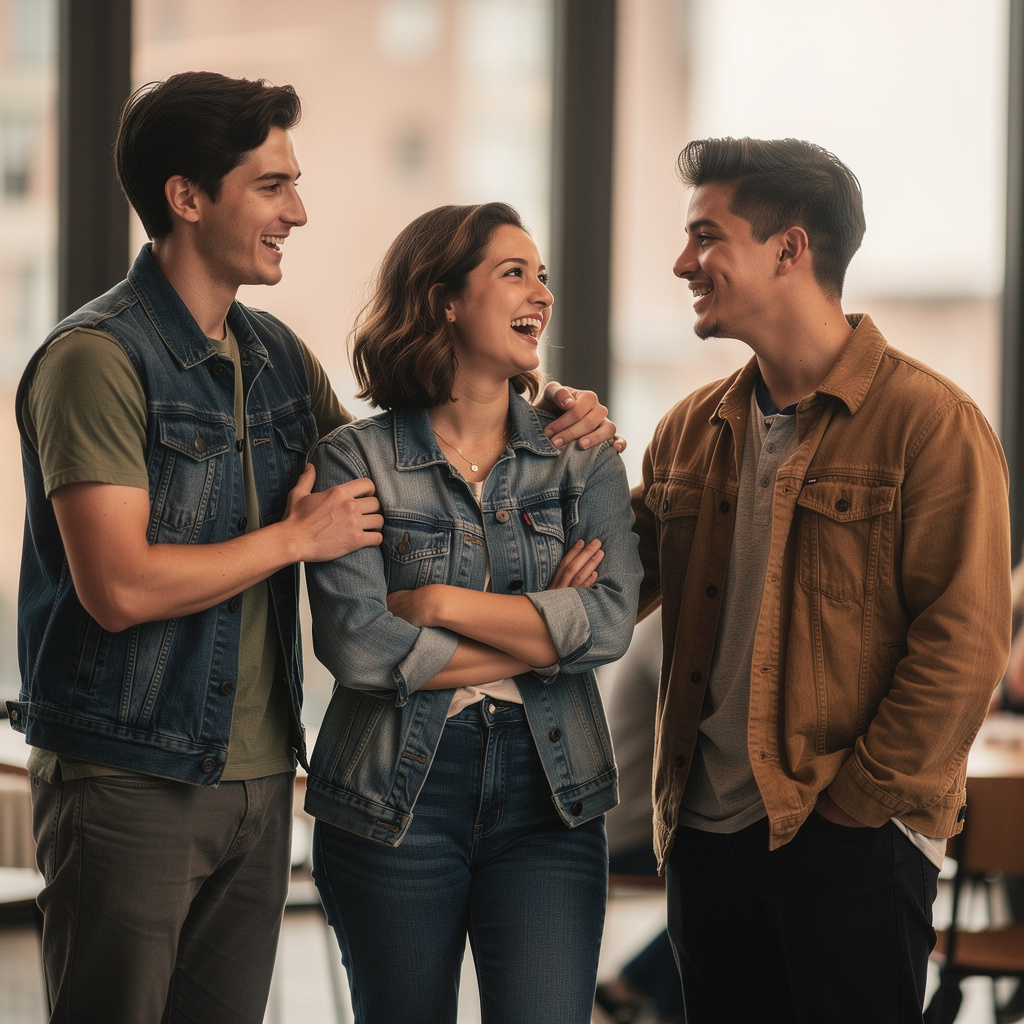
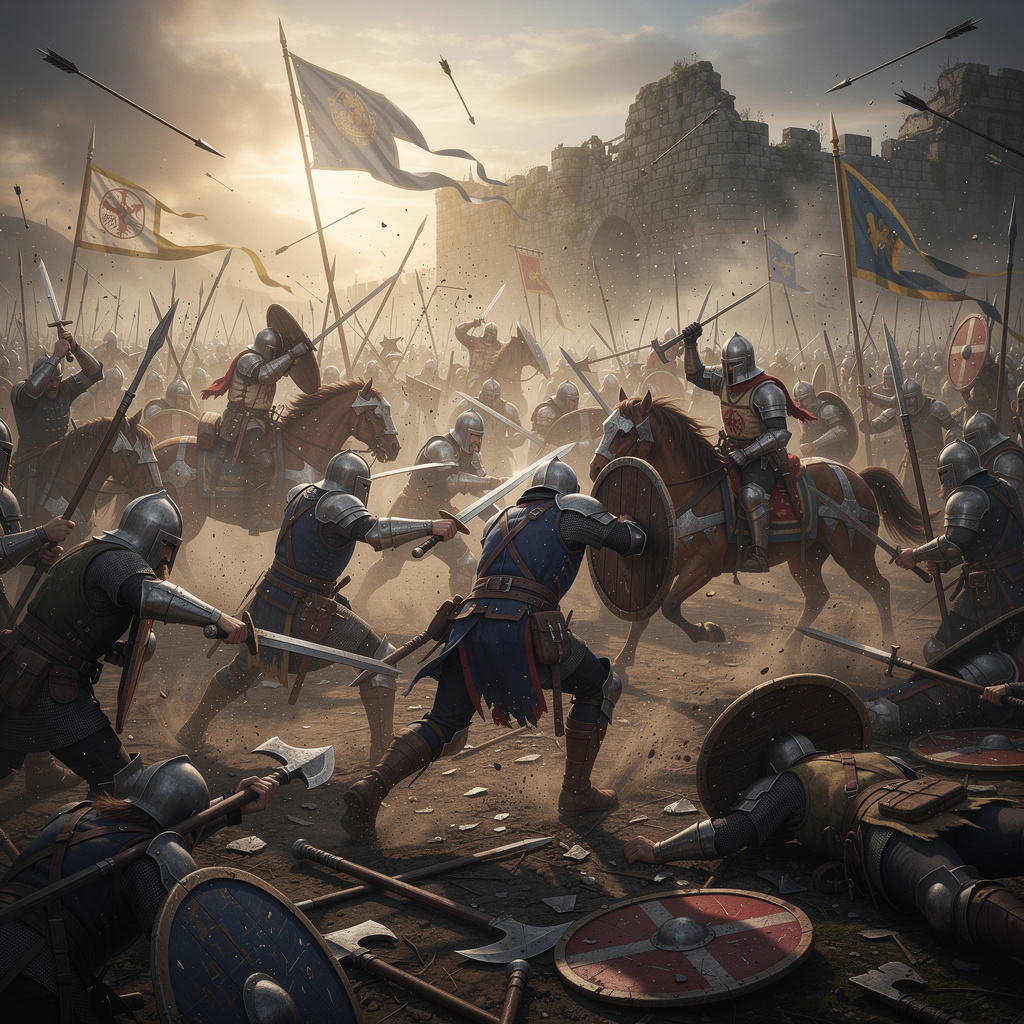
| Single Object | Small Group | Narrative Discovery | Battlefield Chaos |
|---|---|---|---|
 |  |  |  |
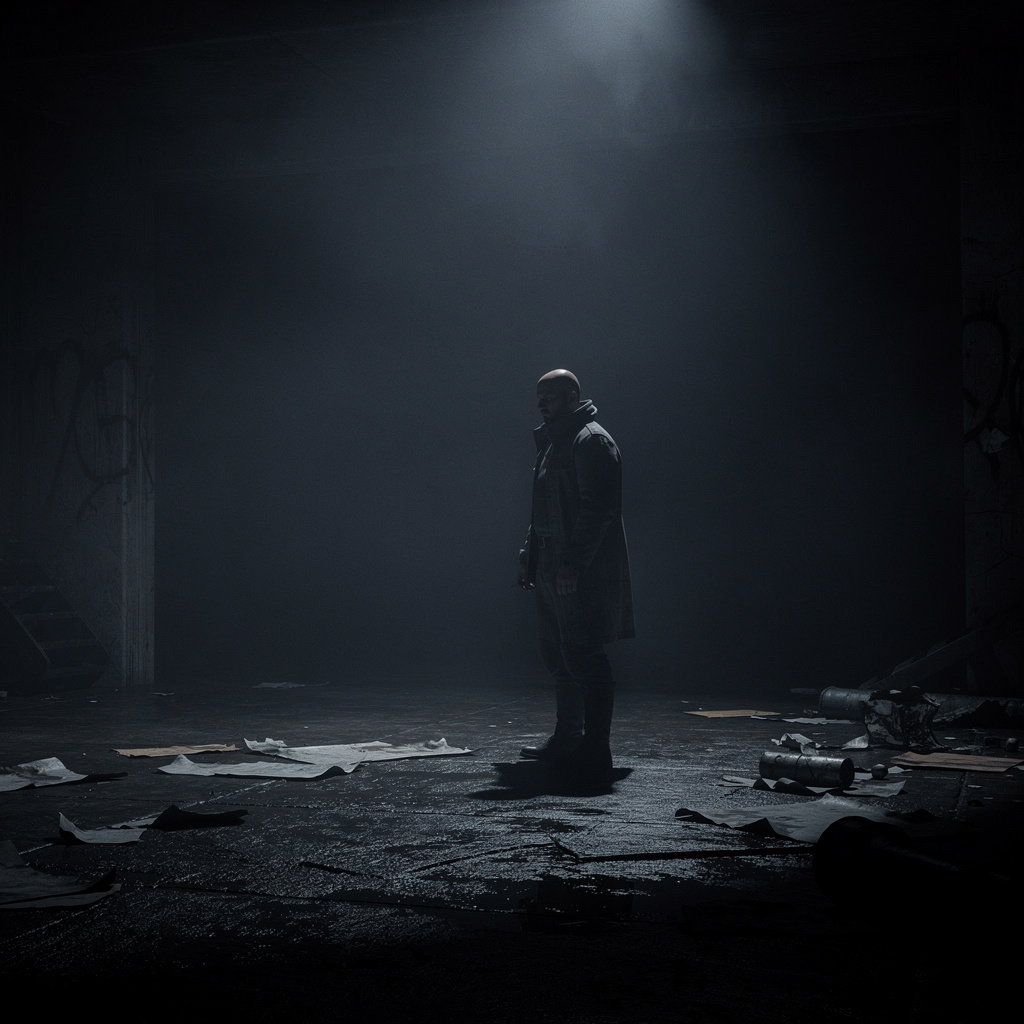
Lighting & Atmosphere
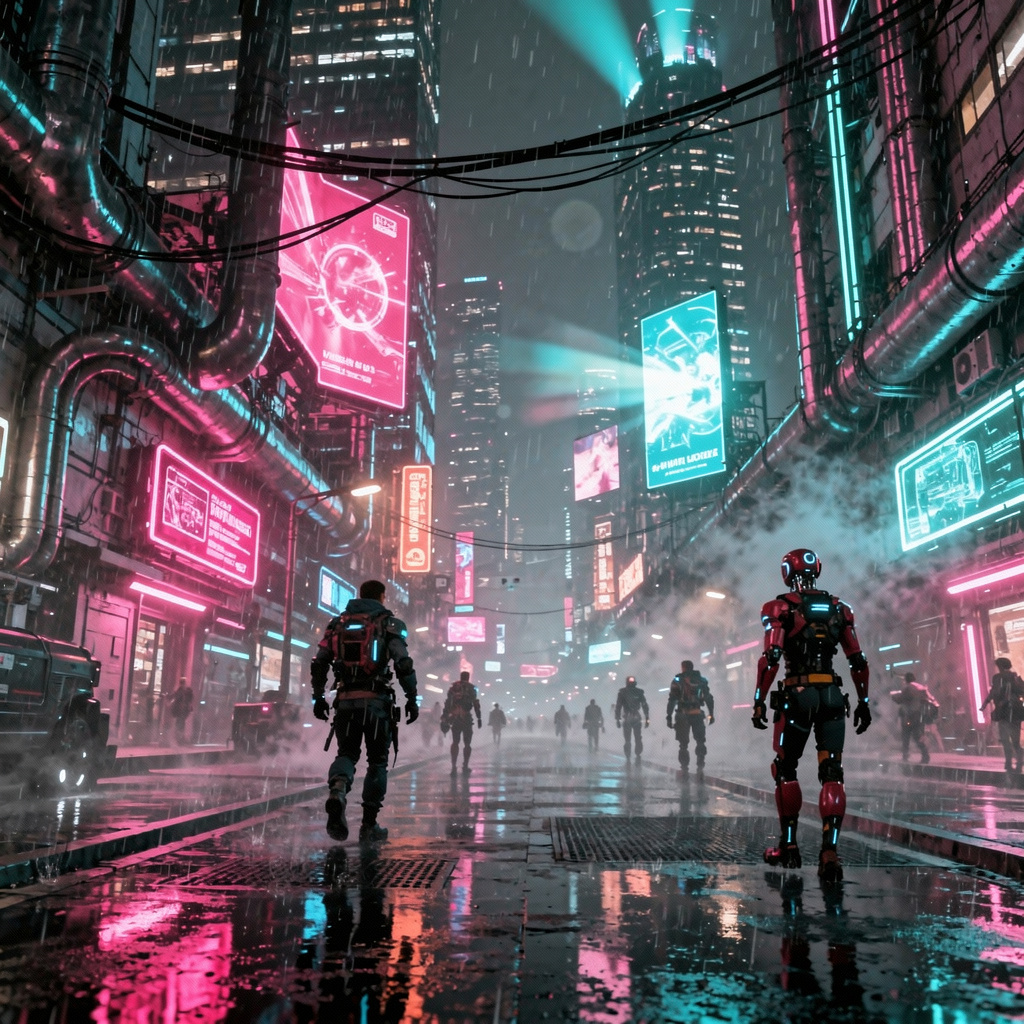
| Volumetric Fog | Neon Cyberpunk | Low-Key Moody | Overexposed Washed |
|---|---|---|---|
 |  |  |  |
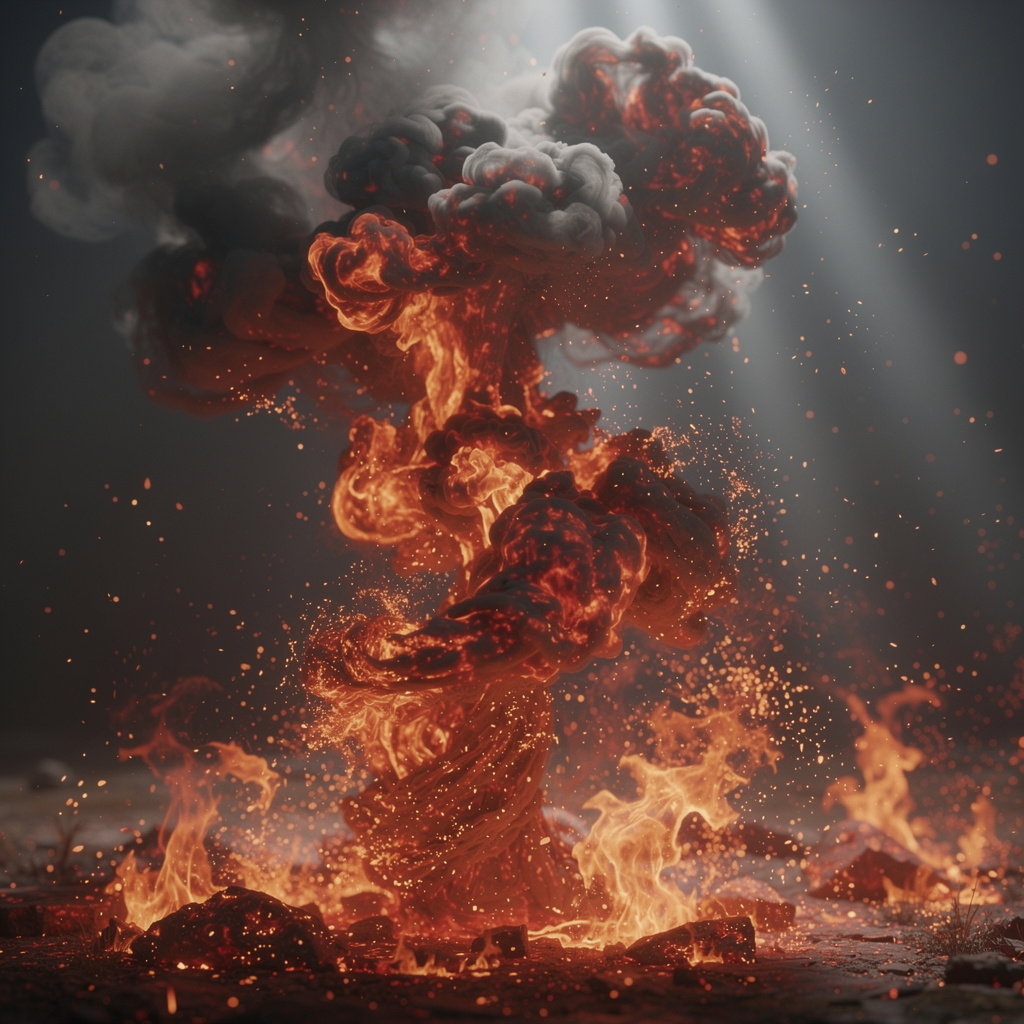
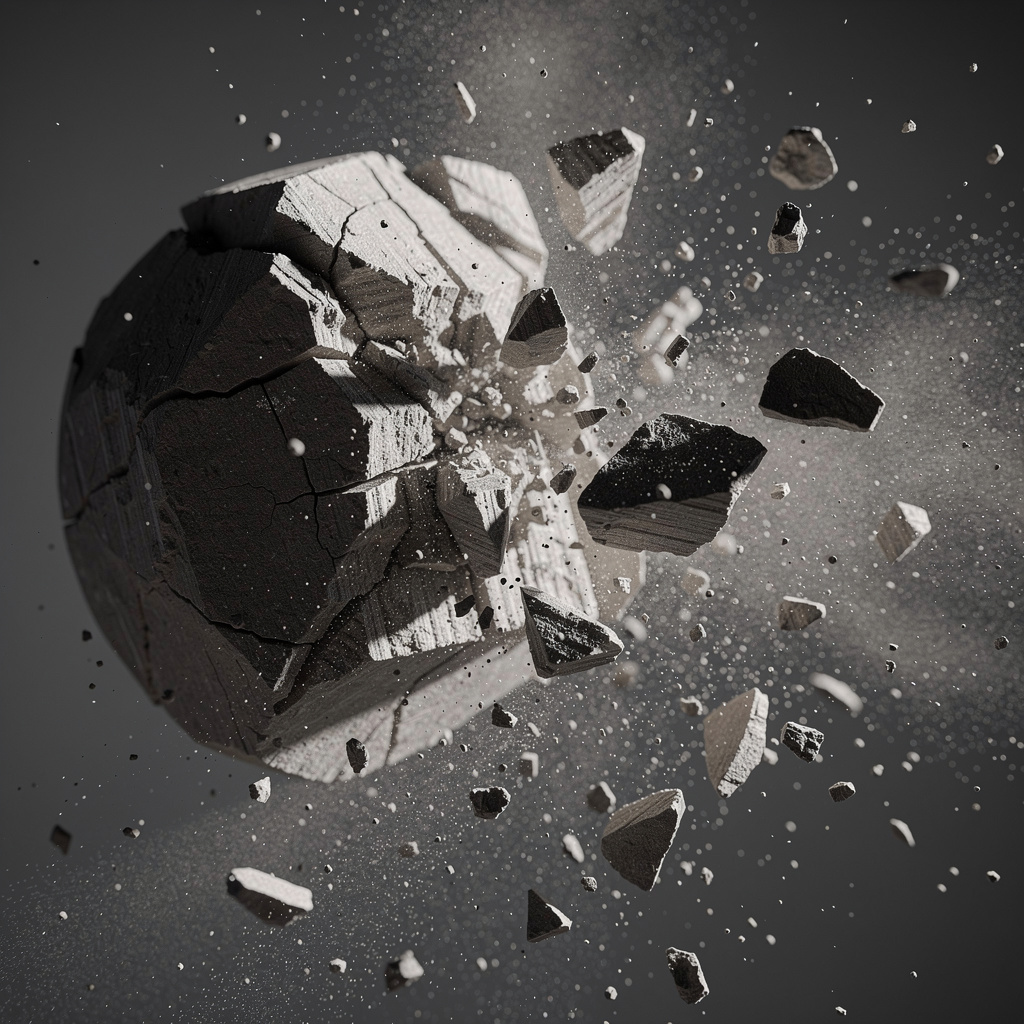
Materials & Physics
| Water Splash | Smoke & Fire | Reflective Material | Impact |
|---|---|---|---|
 |  |  |  |
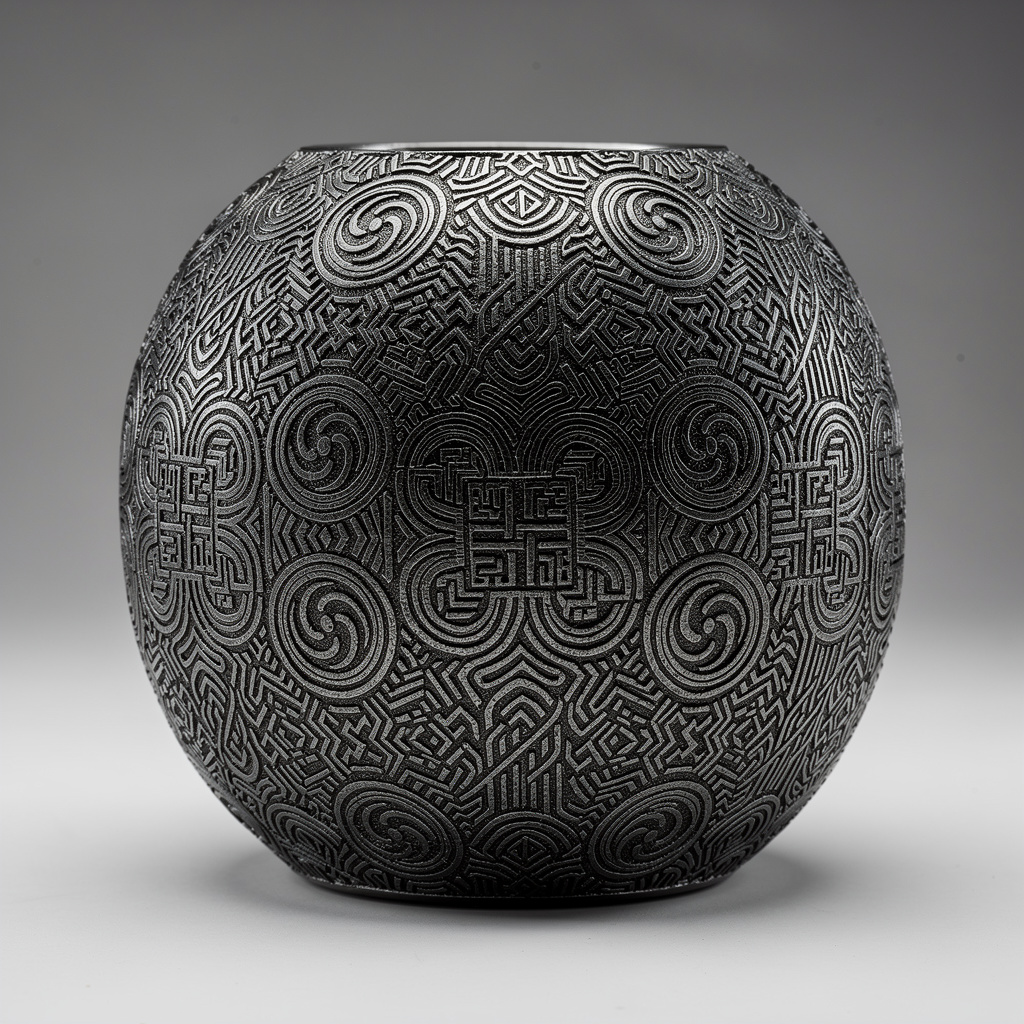
Structure & Symbols
| Perfect Symmetry | Complex Patterns | Readable Text | Fantasy Runes |
|---|---|---|---|
 |  |  |  |
Extended Probes
| Macro Photography | Aerial Top-Down | Fashion Editorial | Abstract Emotion |
|---|---|---|---|
 |  |  |  |
Batches were run in april 2026.
Expanded DNA
🔹 1. Literal Construction (Primary Rule)
The model responds to prompts by constructing the requested category directly, with limited interpretive expansion.
Evidence:
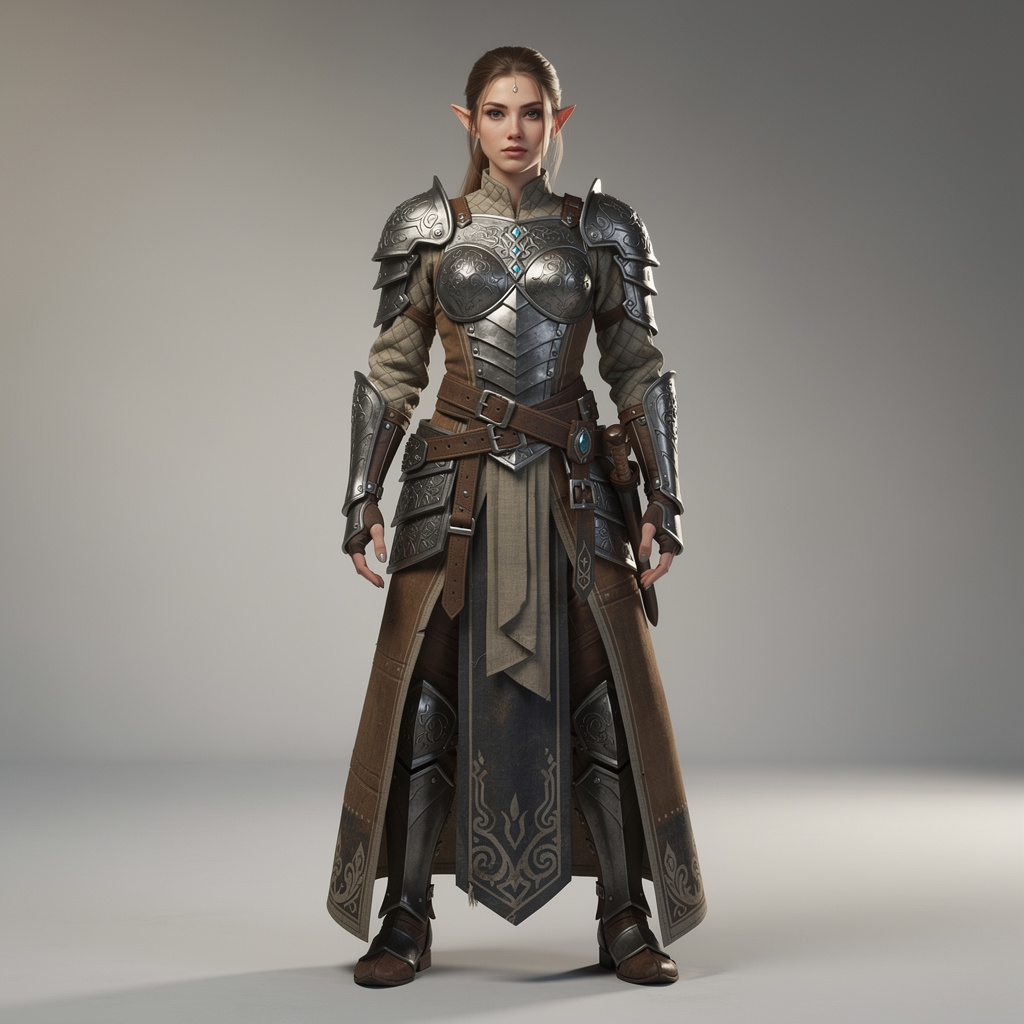
- portrait and full body are correct, credible, and proportionally solid
- single object is simple but successful
- readable text is handled correctly
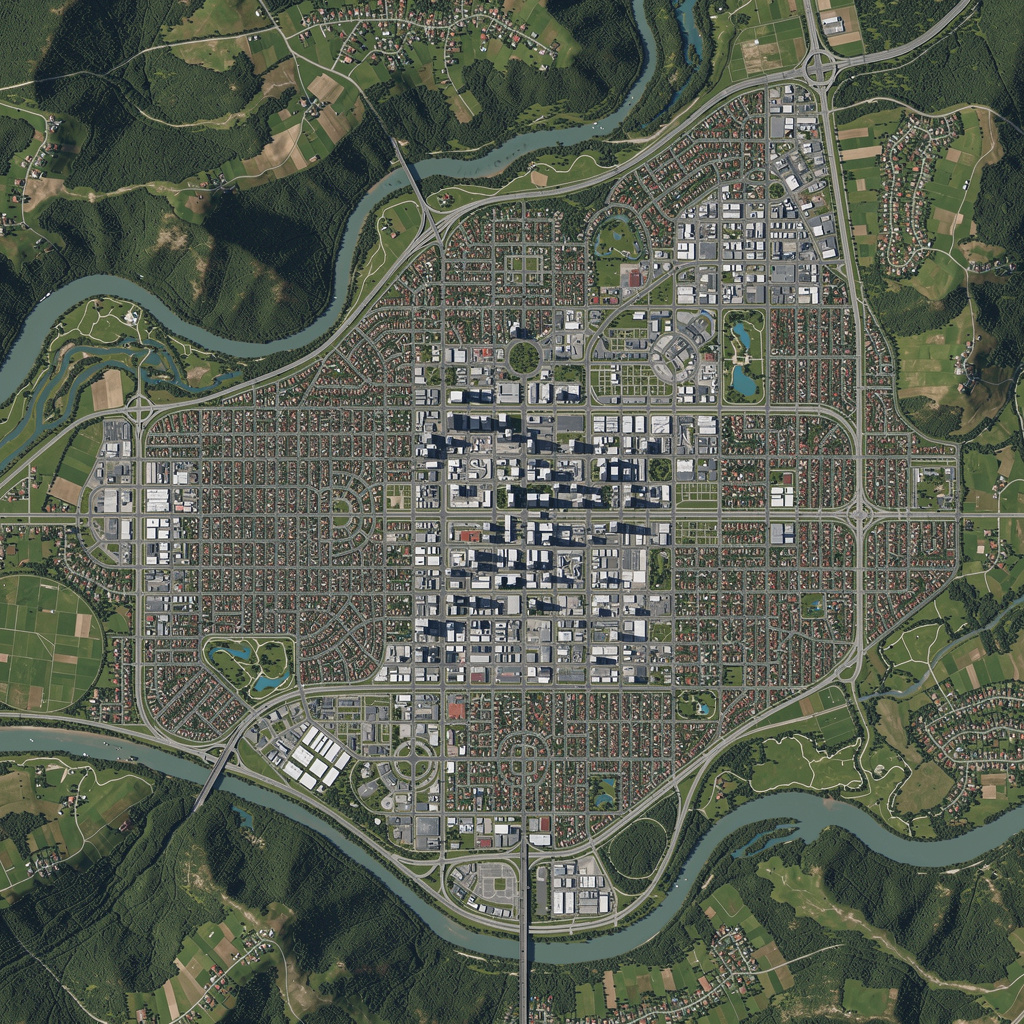
- aerial top-down becomes a true zenith/satellite-like view
- overexposed prompt is taken almost too literally, burning the image
👉 The model obeys before it interprets
Why it matters:
- Pros: predictable, direct, easy to test, useful for controlled prompts
- Cons: weakens surprise, narrative depth, and artistic re-interpretation
🔹 2. Concrete Subject Reliability
The model is strongest when the prompt revolves around a bounded subject, object, material, symbol, or simple environmental setup.
Evidence:
- single object feels valued through warm studio-like presentation
- complex pattern produces a strong premium object
- macro photography is credible and properly framed
- reflective material is one of the strongest physics outputs
- impact gives convincing energy and motion
👉 The model handles concrete visual problems better than open dramatic scenes
Why it matters:
- Pros: strong for objects, materials, macro, patterns, runes, physics demonstrations, and controlled references
- Cons: less reliable for scenes that require deep world logic or dramatic integration
🔹 3. Baseline Human Competence, Weak Anatomy Edge Cases
The model can produce acceptable humans in simple situations, but breaks down when anatomy becomes dynamic, close, or structurally demanding.
Evidence:
- portrait is correct and solid
- full body has good proportions and neutral credibility
- dynamic motion is exaggerated and physically bizarre
- close-up hands and nails feel off, weird, and AI-like
- small group has correct anatomy but fake, exaggerated emotional tone
👉 Simple people pass; complex bodies reveal the seams
Why it matters:
- Pros: usable for neutral figures and straightforward human subjects
- Cons: risky for hands, motion, subtle gesture, believable emotion, and detailed morphology
🔹 4. Fantasy Illustration Bias
When prompted with mythic or magical subjects, the model often falls into 2D fantasy illustration or 3D video-game rendering.
Evidence:
- warrior feels 3D-rendered and video-game-like
- mage feels like 2D fantasy illustration with rigid hands
- dragon is readable but weak and illustrative
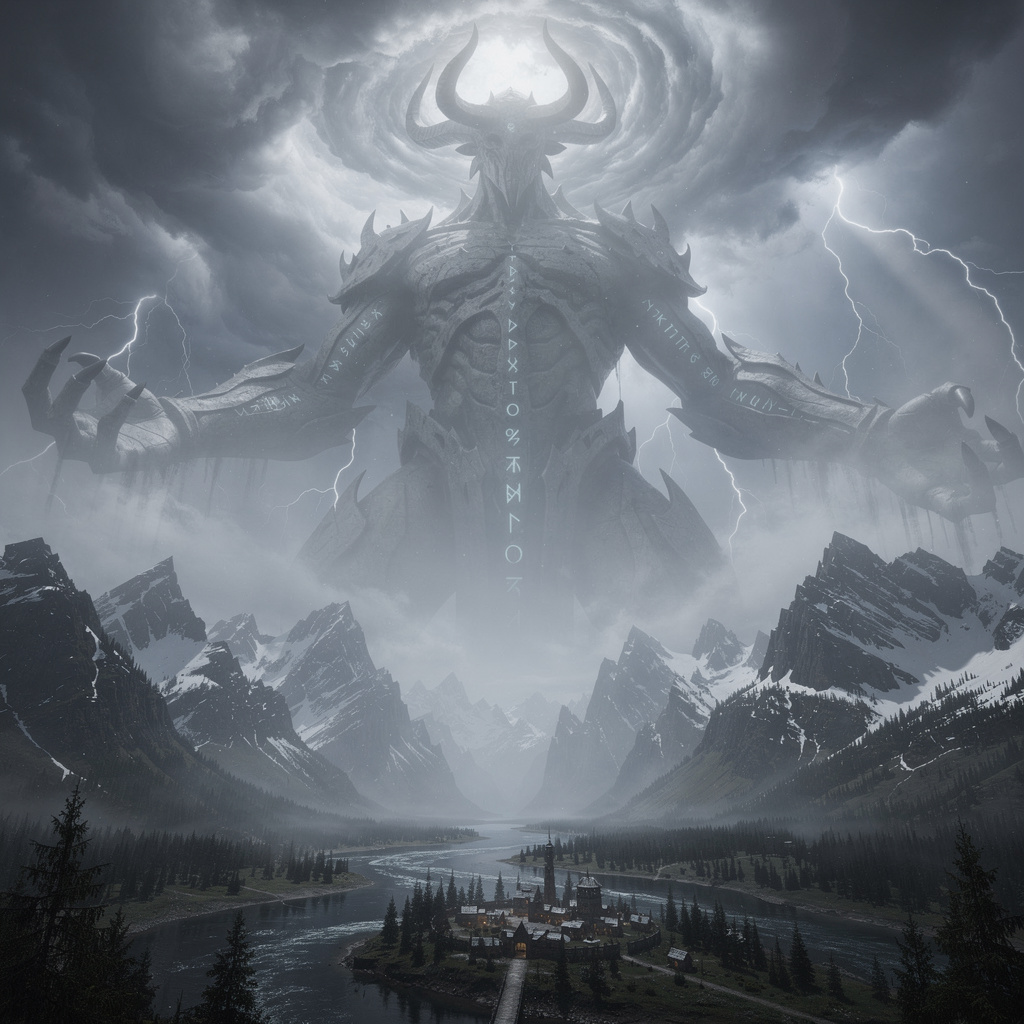
- primordial titan becomes gloomy and otherworldly, but composited and physically unresolved
- fantasy runes are more successful because the prompt asks for surface symbolism rather than full mythic embodiment
👉 Fantasy surfaces work better than fantasy beings
Why it matters:
- Pros: useful for runes, magical surfaces, moody fantasy illustrations, and stylized concept fragments
- Cons: weaker for awe, physical creature design, mythic scale, and convincing fantasy bodies
🔹 5. Simple Environment Strength, Structural World Weakness
The model can produce believable natural and interior environments, but struggles when the environment requires complex logic or large-scale integration.
Evidence:
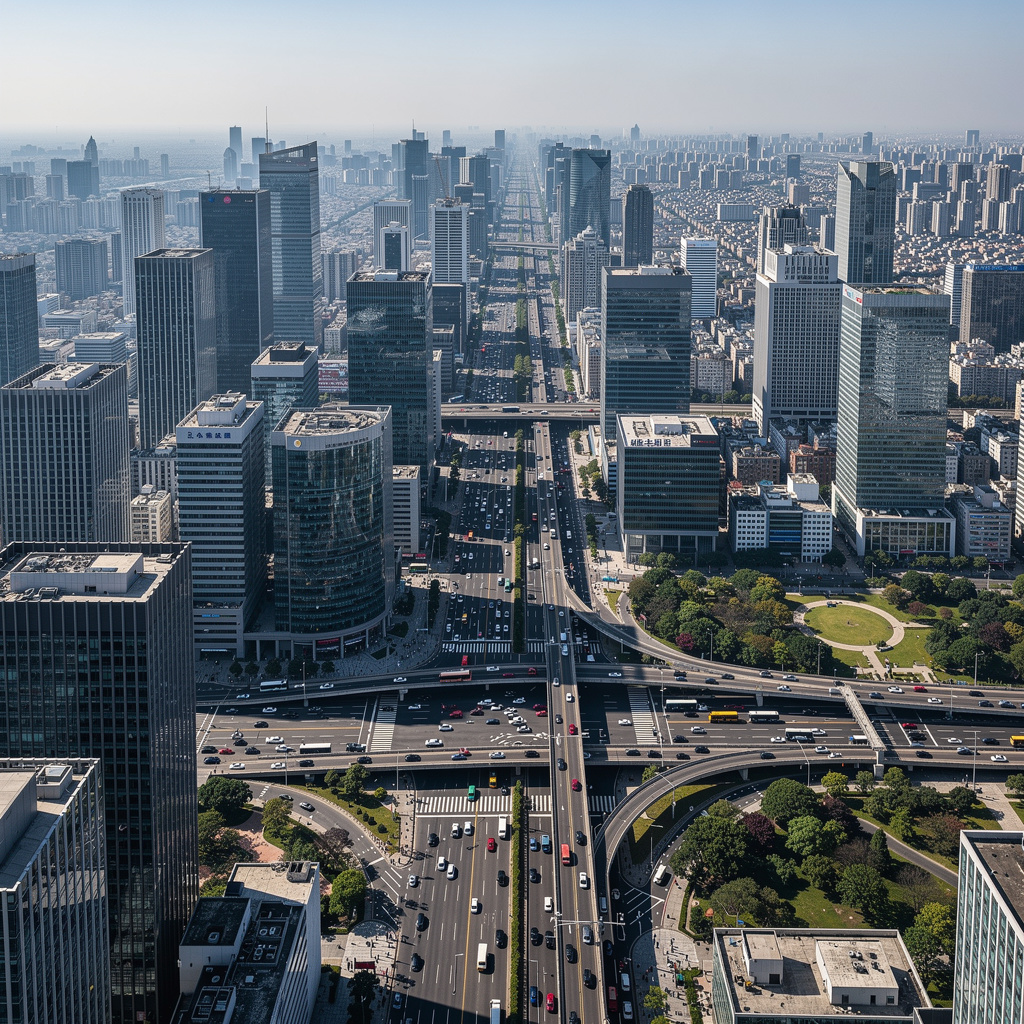
- landscape is credible, soothing, and atmospheric
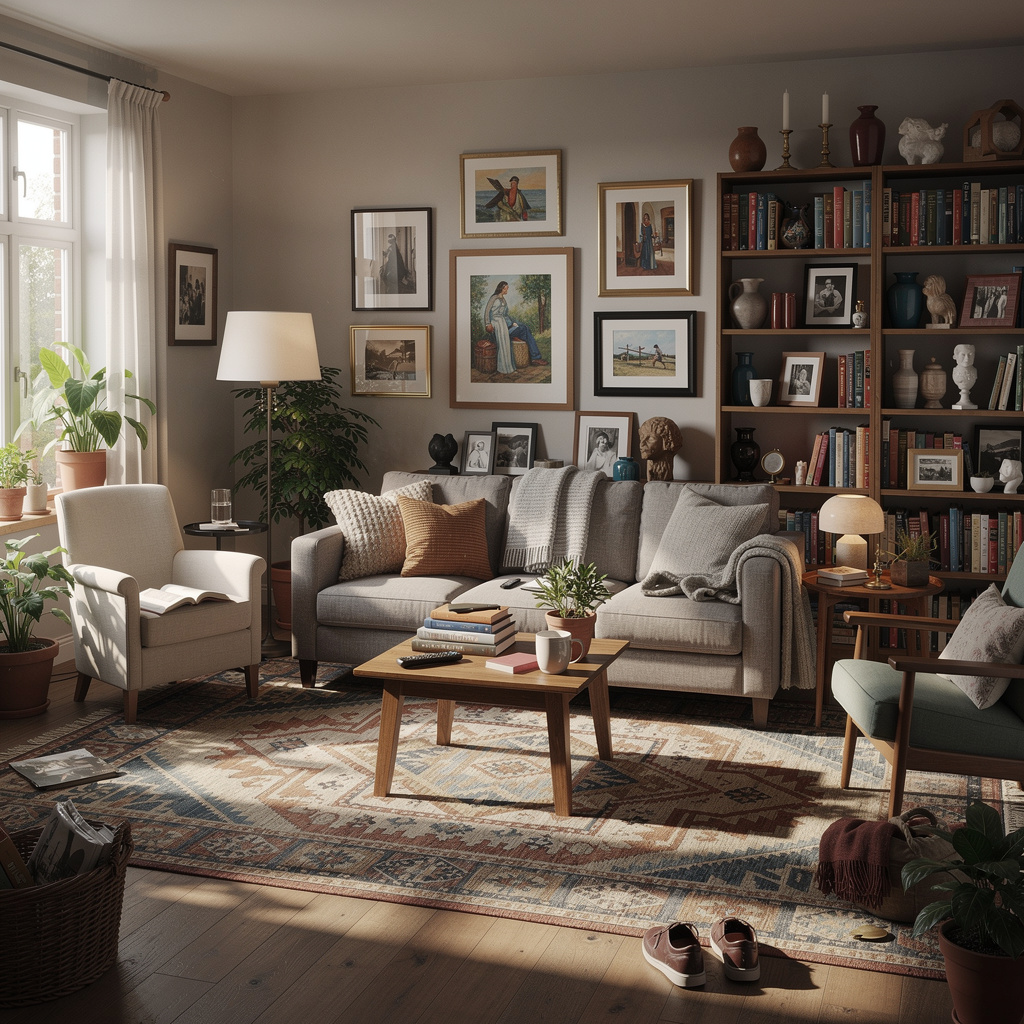
- interior is cozy, warm, rich, catalog-like, and believable
- aerial top-down is clear, satellite-like, and logically framed
- cityscape looks acceptable in thumbnail but becomes absurd on inspection
- primordial titan respects the requested scale but feels layered onto the landscape
👉 It can photograph a place, but struggles to make complicated worlds function
Why it matters:
- Pros: good for landscapes, interiors, macro environments, aerial maps, and simple mood scenes
- Cons: weak for city infrastructure, impossible scale, integrated fantasy worlds, and spatial reasoning under complexity
🔹 6. Atmosphere as Mood Field
The model can create convincing atmosphere, especially when the prompt gives it a clear lighting or mood category, but results can become empty or overly literal.
Evidence:
- low-key moody is one of the stronger compositions, with light falling like a soft shower from above
- neon cyberpunk respects the style and mood clearly
- volumetric fog has a strong gloomy atmosphere but feels empty and washed
- overexposed washed is unusably bright, almost like a real failed exposure
👉 Mood is present, but not always supported by strong composition
Why it matters:
- Pros: good for gloom, low-key lighting, neon atmosphere, and stylized mood fields
- Cons: can become empty, washed out, or too literal when exposure and atmosphere are the core instruction
🔹 7. Physics Demonstration Strength
The model performs well on isolated material and physics prompts, especially when the effect is central and visually bounded.
Evidence:
- water splash is clear and readable
- smoke and fire have convincing chaotic energy
- reflective material is strong, with a semi-translucent object choice adding interest
- impact successfully conveys force, fragments, and energy
👉 It handles physical effects best when they are the subject, not background decoration
Why it matters:
- Pros: strong for visual demonstrations of materials, reflection, fracture, particles, and isolated motion
- Cons: these strengths may not transfer to complex narrative scenes with many interacting systems
🔹 8. Symbolic and Abstract Competence
The model shows a notable strength in abstract structure, fantasy symbols, complex patterns, and emotionally driven non-literal compositions.
Evidence:
- fantasy runes have a convincing 2D fantasy illustration vibe
- complex pattern produces a good premium object
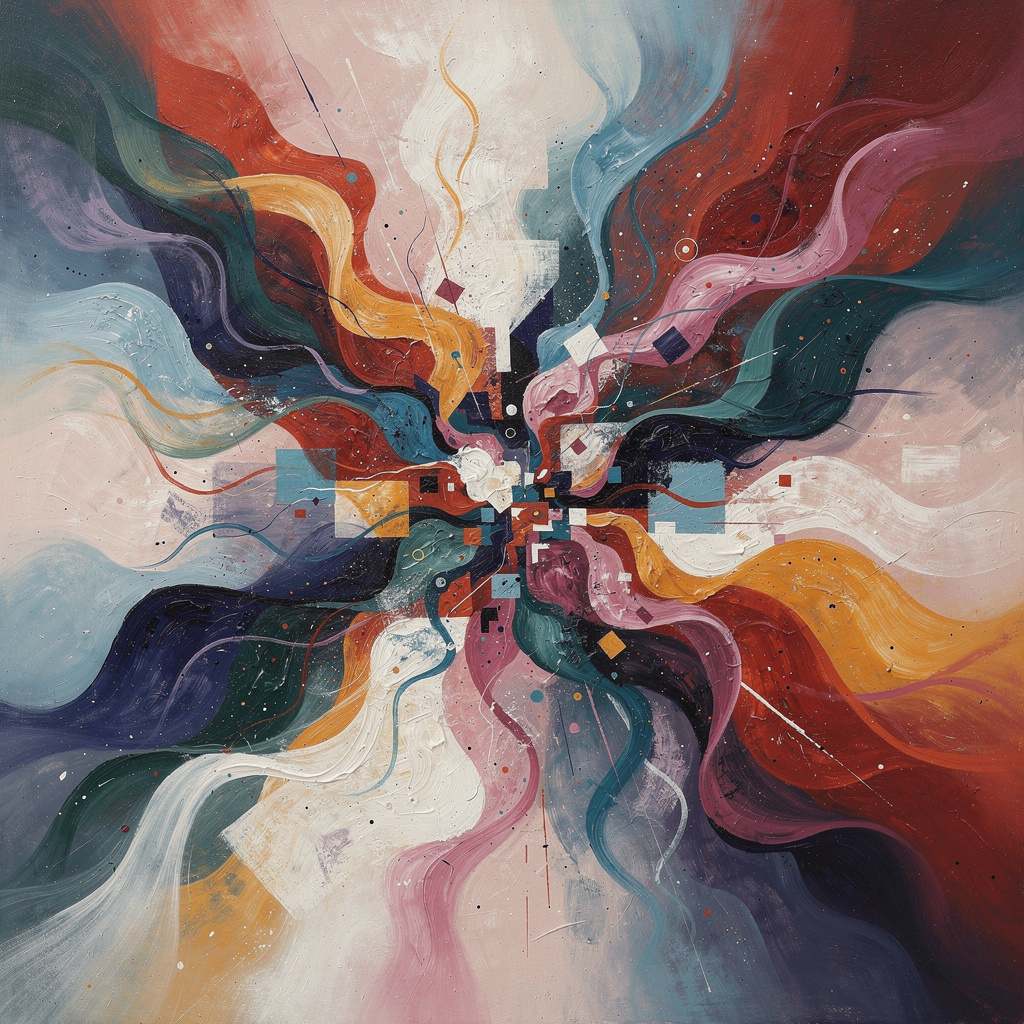
- abstract emotion is energetic, with cross patterns and waves of color
- readable text is respected and legible
👉 When the prompt becomes symbolic, the model becomes more expressive
Why it matters:
- Pros: strong for abstract art, magical surfaces, visual symbols, pattern objects, and mood-driven non-representational imagery
- Cons: weaker when symbolic ambition must coexist with realistic anatomy, architecture, or full-scene logic
🔹 9. Thumbnail Plausibility Risk
Some outputs look convincing at small size but reveal structural problems when examined closely.
Evidence:
- cityscape initially passes as a city, but roads and buildings become absurd on inspection
- symmetry prompt respects composition but produces a fake-feeling building
- primordial titan has strong mood but unresolved physical integration
- fashion editorial respects the prompt but exposes the photo backdrop and feels cheap
👉 The model often gets the image impression before it solves the image logic
Why it matters:
- Pros: usable for thumbnails, quick references, atmosphere, and ideation
- Cons: requires close inspection before using outputs as finished or large-format images
🔹 10. Controlled Stability with Uneven Aesthetic Lift
The model is stable and often competent, but its aesthetic impact varies strongly by domain.
Evidence:
- abstract, macro, fantasy runes, complex patterns, physics, low-key, narrative discovery, interior, and landscape are the strongest areas
- fashion editorial is prompt-compliant but lacks energy and composition strength
- battlefield chaos contains chaos but is not especially compelling
- mythic characters are readable but not powerful
👉 It is dependable, but only selectively inspiring
Why it matters:
- Pros: good candidate for controlled tests, symbolic images, materials, interiors, macro, and atmospheric visuals
- Cons: not a first choice for fashion drama, complex cities, anatomical precision, epic scale, or high-impact fantasy heroes